In a world constantly searching for the next nutritional breakthrough, sometimes the most powerful solutions come from the depths of our oceans. Imagine having access to 92 of the 102 minerals your body needs—all from a single, natural source. This isn’t science fiction; it’s the remarkable reality of Irish Sea Moss Gel, a superfood that has been quietly nourishing bodies for centuries before emerging into the spotlight of modern wellness culture.
Irish Sea Moss, a species of red algae that clings to the rocky Atlantic coastlines of Ireland, North America, and the Caribbean Islands, has transformed from a survival food during the Irish Potato Famine to a celebrated nutritional powerhouse in today’s health-conscious world. Its rise to prominence isn’t merely a trend but a rediscovery of nature’s extraordinary capacity to provide comprehensive nourishment through a single source.
What makes Irish Sea Moss Gel truly exceptional is its unparalleled mineral density. While most supplements offer a handful of isolated nutrients, sea moss delivers an astonishing array of minerals, vitamins, and trace elements in their natural, bioavailable forms. From the calcium that strengthens our bones to the iodine that regulates our thyroid, from the potassium that supports heart function to the zinc that bolsters our immune system—Irish Sea Moss Gel offers a comprehensive spectrum of nutrients that work synergistically to support virtually every system in the human body.
The benefits extend far beyond basic nutrition. Regular consumers of Irish Sea Moss Gel report improvements in digestion, enhanced immune function, healthier skin, increased energy levels, and better mental clarity. Athletes value it for faster recovery times, while those managing chronic conditions appreciate its anti-inflammatory properties. Whether you’re looking to optimize peak performance or address specific health concerns, this marine miracle offers something for everyone.
In this comprehensive exploration, we’ll dive deep into the world of Irish Sea Moss Gel—uncovering its rich history, examining the science behind its 92 minerals, detailing its wide-ranging health benefits, and providing practical guidance on how to incorporate this remarkable superfood into your daily routine. By the end, you’ll understand why this humble sea vegetable, transformed into a convenient gel, deserves a permanent place in your wellness arsenal.
What is Irish Sea Moss?
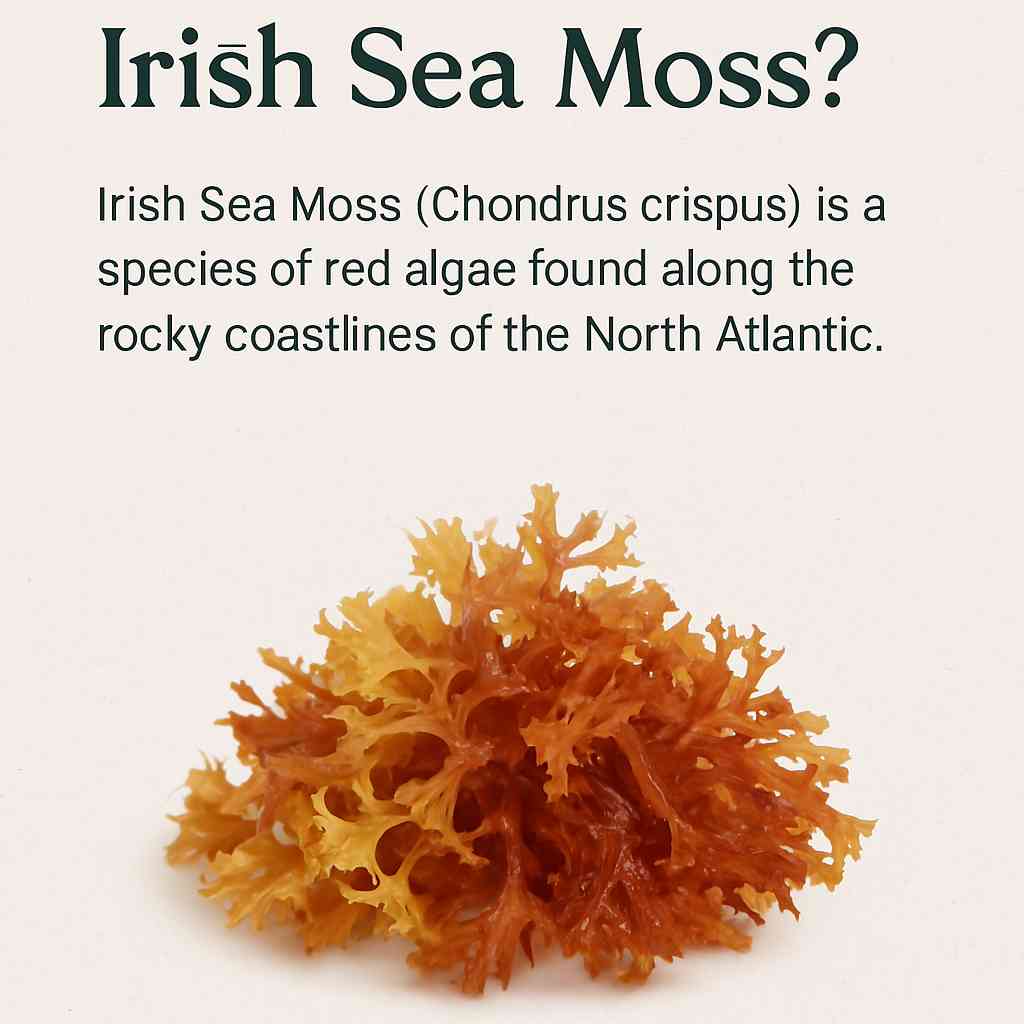
Along the rugged coastlines of the North Atlantic Ocean, clinging tenaciously to rocky shores and tidal pools, grows a remarkable sea vegetable that has sustained coastal communities for centuries. Irish Sea Moss, scientifically known as Chondrus crispus, is not actually a moss at all, but rather a species of red algae that has earned its place in both traditional folk medicine and modern nutritional science.
The history of Irish Sea Moss is deeply intertwined with human survival. During the devastating Irish Potato Famine of the 1840s, when blight destroyed the primary food source for millions, coastal communities turned to the abundant sea moss growing along their shores. This marine vegetable became a crucial lifeline, providing essential nutrients when little else was available. The name “Irish Moss” commemorates this historical connection, though the plant grows far beyond Ireland’s shores.
In its natural state, Irish Sea Moss displays a fascinating range of colors and forms. Depending on environmental conditions and specific varieties, it can appear in hues ranging from deep purple and iridescent blue to golden yellow and vibrant green. Its fronds grow in distinctive fan-like patterns, creating delicate structures that wave gracefully with ocean currents. The plant typically reaches heights of 2-6 inches, forming dense carpets in ideal growing conditions.
Botanically, Irish Sea Moss belongs to the Rhodophyta division (red algae) and the Gigartinaceae family. While Chondrus crispus is the species most commonly associated with the term “Irish Sea Moss,” it’s important to note that several other species are sometimes marketed under the same name. Genus Gracilaria, for instance, is frequently sold as sea moss despite having different growing conditions and slightly different nutritional profiles. This distinction matters because Chondrus crispus, the authentic Irish Sea Moss, grows attached to rocks in cold Atlantic waters, while Gracilaria species can be cultivated on ropes in warmer Caribbean waters.
The natural habitat of Irish Sea Moss spans the rocky Atlantic coastlines of Europe and North America, with significant populations found in Ireland, Maine, the Canadian Maritimes, and parts of the British Isles.
Smarter Choices
Get reliable information about supplements and medicines. Learn what they do, how they support your health, and make confident choices for your wellness journey.
It thrives in the intertidal zone the area between high and low tide marks—where it experiences both submersion and exposure throughout the day. This harsh environment, with its fluctuating temperatures, salinity levels, and exposure to air, has forced the plant to develop remarkable adaptations, including the ability to absorb and store an extraordinary range of minerals from seawater.
Harvesting methods significantly impact the quality and nutritional content of Irish Sea Moss. Traditionally, it was hand- harvested during low tide, with experienced gatherers carefully selecting mature plants while leaving enough to regenerate. This sustainable wild-harvesting approach yields sea moss with the highest mineral content, as the plants have naturally absorbed nutrients from mineral-rich ocean waters. In contrast, pool-grown or farm-raised sea moss, while more consistent in appearance, often contains fewer minerals due to the controlled environment in which it’s cultivated.
The distinction between wild-harvested and pool-grown sea moss is crucial for consumers seeking maximum nutritional benefits. Wild-harvested sea moss, having grown in the dynamic ocean environment, typically contains a fuller spectrum of minerals and trace elements. The plant’s survival in the wild depends on its ability to absorb and utilize these elements, resulting in a more nutrient-dense final product. Pool-grown varieties, while still nutritious, may lack the full mineral profile that makes Irish Sea Moss so exceptional.
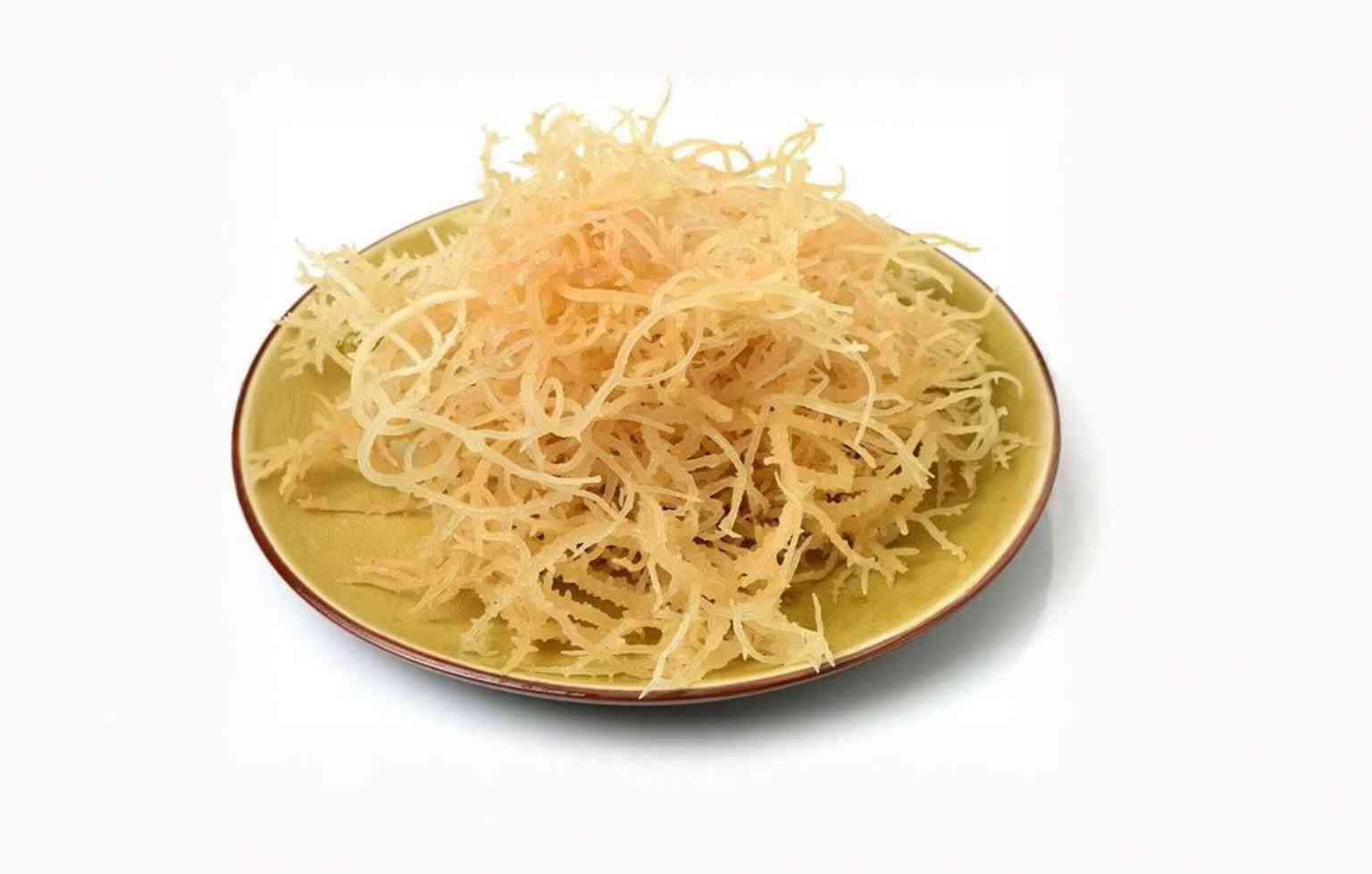
In its raw form, Irish Sea Moss has a distinctive appearance—somewhat cartilaginous and tough when dry, becoming slippery and gelatinous when soaked in water. This transformation hints at one of its most valuable properties: the presence of carrageenan, a natural polysaccharide that functions as a powerful thickening agent. For centuries, this property made Irish Sea Moss valuable in traditional cooking, long before its full nutritional profile was understood.
Today, Irish Sea Moss is available in various forms—from the raw, dried plant to powders, capsules, gummies, and the increasingly popular gel form. Each preparation method aims to preserve the plant’s nutritional integrity while making it more accessible and convenient for daily consumption. Among these, the gel form has gained particular prominence for its versatility and ease of incorporation into various foods and beverages.
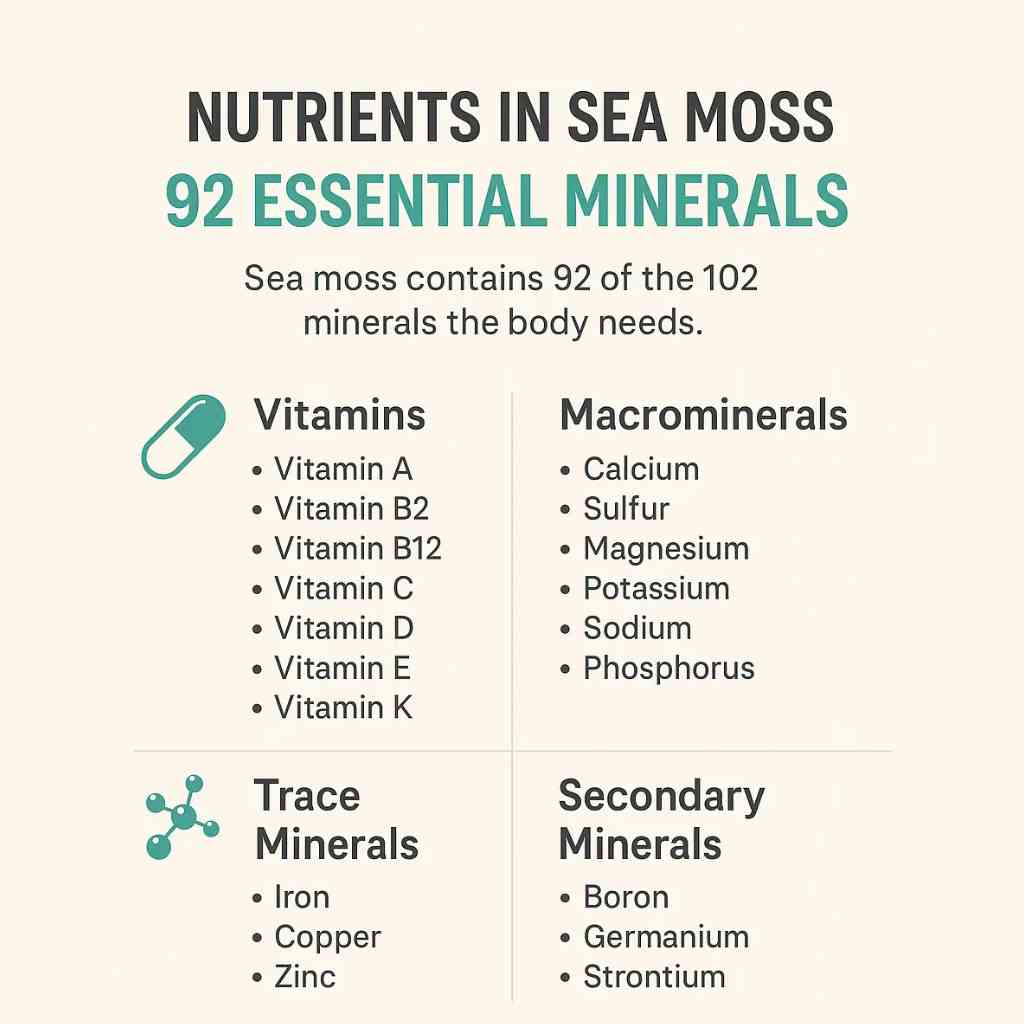
What truly distinguishes Irish Sea Moss from other superfoods, however, is its extraordinary mineral content—a natural treasure trove of 92 of the 102 minerals needed by the human body. This remarkable nutritional profile has elevated Irish Sea Moss from a historical survival food to a contemporary wellness essential, sought after by those looking to support their health through natural, whole-food sources of nutrition.
The 92 Essential Minerals: Breaking Down the Claim
The claim that Irish Sea Moss contains 92 of the 102 minerals needed by the human body has become a cornerstone of its marketing and popularity. This extraordinary assertion deserves careful examination—both to understand its origins and to separate scientific fact from potential exaggeration.
The “92 minerals” claim is frequently attributed to Dr. Sebi, a renowned herbalist and natural healer who advocated for plant-based, alkaline diets. Dr. Sebi popularized sea moss as a superfood, emphasizing its mineral richness and promoting it for its ability to provide the body with essential nutrients supporting everything from immune function to skin health. His teachings sparked widespread interest in sea moss, particularly within holistic health communities seeking natural alternatives to conventional supplements.
From a scientific perspective, the claim requires some nuance. First, there’s an important distinction between minerals and elements. The periodic table contains 118 elements, of which approximately 98 occur naturally on Earth. Not all of these elements are minerals, and not all are beneficial or necessary for human health. Some, like mercury, lead, and arsenic, can be harmful in anything but the tiniest traces.
What we can verify with certainty is that Irish Sea Moss is indeed exceptionally rich in minerals and trace elements. Scientific analysis confirms that sea moss contains significant amounts of several essential minerals that are crucial for human health. According to data from the U.S. Department of Agriculture and independent laboratory testing, a 10-gram serving of sea moss (about 2 tablespoons) contains measurable amounts of these 12 essential minerals:
Calcium (7.2 mg): Essential for bone health, nerve transmission, and muscle function.
Copper (0.02 mg): Important for red blood cell formation and immune function.
Iodine (47 μg): Critical for thyroid hormone production and metabolic regulation.
Iron (0.89 mg): Necessary for oxygen transport in the blood and energy production.
Manganese (0.037 mg): Supports bone formation, blood clotting, and antioxidant function.
Magnesium (14.4 mg): Involved in over 300 enzymatic reactions, including energy creation.
Phosphorus (15.7 mg): Works with calcium for bone health and is part of DNA and RNA.
Selenium (0.07 μg): Acts as an antioxidant and supports immune function.
Sodium (6.7 mg): Maintains fluid balance and supports nerve and muscle function.
Sulfur (varies): Important for protein structure and cellular detoxification.
Zinc (0.195 mg): Essential for immune function, DNA synthesis, and wound healing.
Conclusion
In this first part of our exploration of Irish Sea Moss Gel, we’ve uncovered the fascinating origins of this remarkable sea vegetable and begun to examine the scientific basis for its reputation as a mineral powerhouse. From its humble beginnings as a survival food during the Irish Potato Famine to its current status as a celebrated superfood, Irish Sea Moss has a rich history of supporting human health.
We’ve learned that while the exact claim of “92 minerals” may require some scientific nuance, there’s no doubt that Irish Sea Moss is exceptionally rich in essential minerals and trace elements. Its ability to bioaccumulate minerals from seawater makes it one of nature’s most comprehensive mineral sources.
In the next part of this series, we’ll continue our examination of the mineral content of Irish Sea Moss and begin exploring its remarkable health benefits, particularly for thyroid function, immune support, and digestive health. We’ll delve deeper into how these minerals work synergistically in the body and why obtaining them from a whole-food source like sea moss may offer advantages over isolated supplements.
Join us as we continue to uncover why Irish Sea Moss Gel truly deserves its reputation as a must-have addition to your wellness routine.
Vanessa Hannis is a dedicated health and wellness writer with a passion for translating complex medical information into clear, actionable, and empowering content. With a background in nutritional sciences, public health and biology, she brings a rigorous, evidence-based approach to her work. Vanessa believes that reliable health information is a cornerstone of well-being and is committed to creating articles that are not only accurate and thoroughly researched but also engaging and accessible. Her writing covers a wide spectrum of topics, including holistic nutrition, preventive care, mental health awareness, and navigating the latest wellness trends. When she's not at her desk, you can find her experimenting with healthy recipes, hiking with her dog, or curled up with the latest medical journals.



 Vanessa Hannis


 Kenan Fang


Leave a comment