No products in the cart.



Menopause is a life stage, not a single moment, and it affects people differently. Perimenopause can begin years before the final menstrual period, with fluctuating estrogen and progesterone leading to cycles that feel unpredictable. The menopause transition culminates in 12 months without a period, after which an individual is considered postmenopausal. Across these stages, nutrient priorities shift: bone density may decline faster, muscle mass can diminish, and sleep, mood, heart, and cognitive health often deserve extra attention. Inclusive care matters here—people who experience menopause may identify as women, nonbinary, or transgender; this guide aims to respect diverse identities and health needs.
During perimenopause, estrogen can surge and dip, sometimes in the same month. That variability helps explain night sweats, sleep changes, and mood fluctuations. Iron needs may remain high if periods are heavy, while bone-supporting nutrients like calcium, vitamin D, vitamin K2, and magnesium become increasingly valuable. In the transition to postmenopause, estrogen levels remain low, which can accelerate bone loss, shift body fat distribution, and influence cholesterol and glucose regulation. The foundation of supportive nutrition—adequate protein, fiber, vitamins, minerals, and hydration—remains essential throughout, while targeted menopause vitamin supplements can play a supporting role based on lab results, symptoms, and clinician guidance.

This guide is educational and does not replace personalized medical advice. Nutrient needs vary, and the right dose depends on your diet, lab results, medications, and health history. Whenever possible, aim for a food-first approach and use supplements to fill gaps. Pay attention to RDAs/AI (adequate intakes) and ULs (upper limits), noting that more is not always better. Certain supplements interact with medications—especially thyroid medications, anticoagulants, and some psychiatric drugs—so timing and spacing can matter. See a clinician if you have unexplained symptoms, plan to start high-dose supplements, or have chronic conditions such as kidney disease or a history of kidney stones.
Thoughtful lab testing can help you personalize menopause vitamin supplements. Commonly considered labs include a complete blood count (CBC) and ferritin to assess iron status (especially if periods are heavy), serum 25-hydroxyvitamin D [25(OH)D] to guide vitamin D dosage, vitamin B12 and methylmalonic acid (MMA) when fatigue or neurologic symptoms occur, thyroid-stimulating hormone (TSH) and free T4 for thyroid function, lipid panel for heart health, fasting glucose and HbA1c for metabolic status, and sometimes magnesium (RBC magnesium may better reflect tissue levels than serum). Bone mineral density testing by DXA can inform calcium and vitamin D decisions. Your clinician can tailor tests based on symptoms, diet, and medications.
Some supplements are not appropriate for everyone. People on warfarin or similar vitamin K–antagonist anticoagulants should avoid changing vitamin K intake without medical guidance. Those with kidney disease should avoid high-dose magnesium and be cautious with potassium-containing products. Individuals with a history of kidney stones may need to manage calcium and vitamin C intake carefully and prioritize calcium from food with meals. Smokers should avoid high-dose beta-carotene due to increased lung cancer risk. Postmenopause, routine iron supplementation is generally avoided unless a deficiency is diagnosed. If you have a history of hormone-sensitive cancers, discuss any phytoestrogen supplements, such as concentrated soy isoflavones, with your oncologist before use.
Look for third-party testing seals such as USP, NSF, or Informed Choice, which help verify ingredient identity and amounts. Avoid megadoses that exceed the tolerable upper limit (UL) unless medically supervised. Be wary of proprietary blends that hide exact doses, and scan for unnecessary additives or allergens. Choose evidence-supported forms: for example, vitamin D3 (cholecalciferol), calcium citrate for better absorption in low-stomach-acid states, methylcobalamin or cyanocobalamin for B12, and fish- or algae-based EPA/DHA omega-3s. Check serving size, tally total daily intake from all products, and consider expiration dates, storage conditions, and freshness (especially for fish oil, which can oxidize).
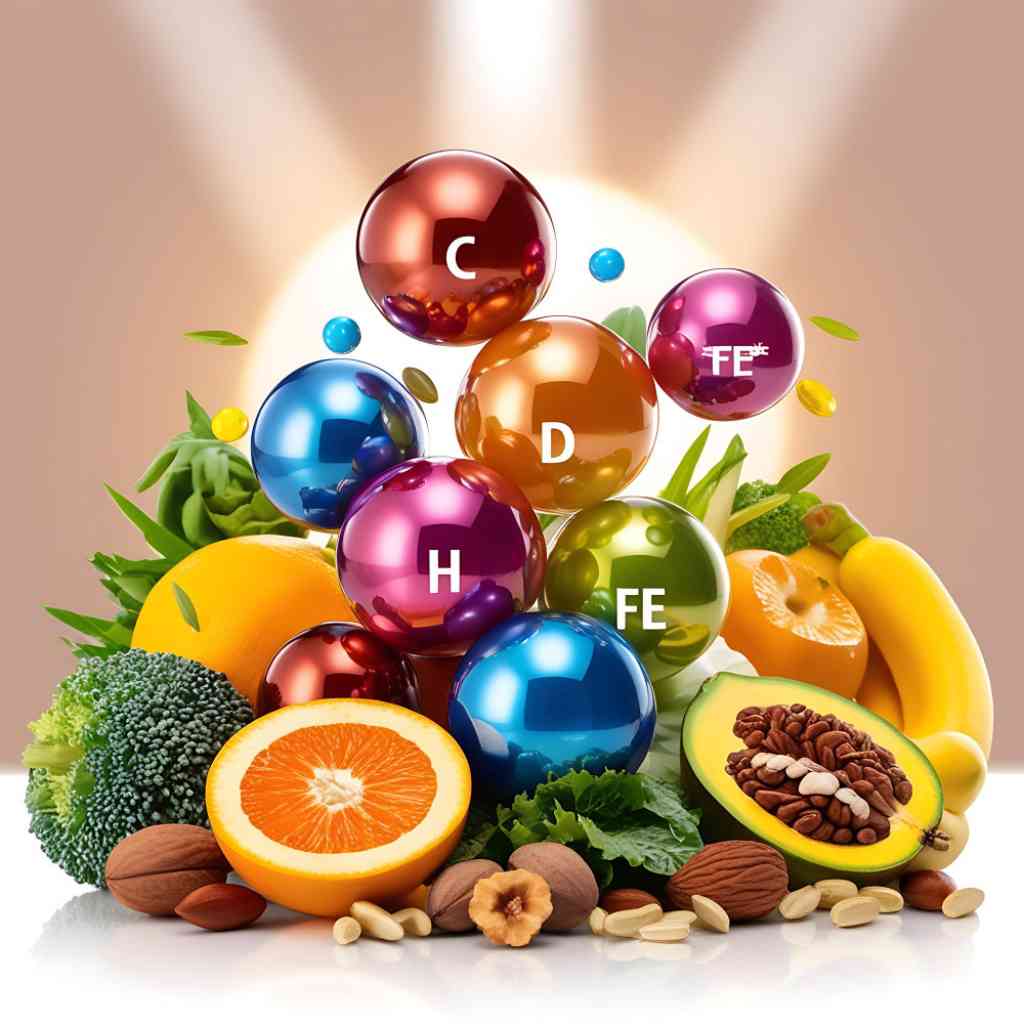
Across perimenopause through postmenopause, several nutrients consistently support bone integrity, muscle function, energy metabolism, and heart and brain health. When dietary intake and sunlight are insufficient, menopause vitamin supplements can help close gaps. The fundamentals include vitamin D3, calcium, magnesium, select B vitamins, omega-3 fatty acids, and vitamin K2. Additional essentials like iodine, iron, zinc, selenium, and antioxidant vitamins may be relevant depending on diet and health status. The following sections provide evidence-informed ranges, timing tips, and key cautions—always interpreted through your personal context and with clinician input when needed.
Get reliable information about supplements and medicines. Learn what they do, how they support your health, and make confident choices for your wellness journey.
Get lifetime access to exclusive health video classes led by expert instructors who guide you with confidence — helping you build lasting habits.
Vitamin D supports calcium absorption, bone health, immune function, and muscle performance. Sun exposure, skin pigmentation, latitude, and sunscreen use drive variability in status. A practical target serum 25(OH)D range is often 20–50 ng/mL (50–125 nmol/L), with many clinicians aiming for 30–40 ng/mL for bone support. Typical supplemental intakes range from 1,000 to 2,000 IU (25–50 mcg) daily, adjusted by labs. The UL for adults is 4,000 IU (100 mcg) per day unless supervised. Certain medications (glucocorticoids, anticonvulsants, orlistat) can alter vitamin D metabolism or absorption. Pairing vitamin D3 with vitamin K2 may support appropriate calcium utilization in bone, but those on warfarin should not change vitamin K intake without medical guidance.
Calcium is crucial for bone density and muscle contraction. RDA is 1,000 mg/day for adults 19–50 and 1,200 mg/day for those over 50. In practice, many midlife adults aim for 1,000–1,200 mg/day combined from food and supplements. UL is 2,500 mg/day for ages 19–50 and 2,000 mg/day for 51+. Food-first sources (dairy or fortified plant milks, leafy greens, tofu set with calcium, canned salmon with bones) are preferred, as they bring additional nutrients and may reduce kidney stone risk when consumed with meals. If supplementing, split doses of 300–600 mg at a time. Calcium carbonate is cost-effective but needs stomach acid; calcium citrate is better tolerated with lower stomach acid and can be taken with or without food. Space calcium 4 hours away from levothyroxine and 2+ hours from iron or certain antibiotics. Balance calcium with vitamin D and magnesium.
Magnesium participates in hundreds of enzymatic reactions, affecting muscle relaxation, nerve conduction, and sleep quality. The RDA for women is about 320 mg/day (men 420 mg) from food and supplements; however, the UL of 350 mg/day applies to supplemental magnesium only (not including food). Many people find 100–350 mg of supplemental magnesium helpful, often at night for relaxation. Magnesium glycinate or bisglycinate is gentle and calming; magnesium citrate supports regularity; magnesium oxide is poorly absorbed and more laxative. Those with kidney disease should avoid higher-dose magnesium without close medical supervision. Pairing magnesium with vitamin D and calcium can support bone and muscle function, while mindful timing may improve sleep and GI tolerance.
B vitamins help convert food into energy and support cognition and mood. For B6, the RDA is 1.5 mg/day for midlife adults; the UL is 100 mg/day due to neuropathy risk at high intakes. A balanced B-complex often contains 5–25 mg of B6—adequate for most. B12 needs (RDA 2.4 mcg/day) can be higher in those with low stomach acid, vegans, or those on metformin or acid-reducing medications; 25–500 mcg/day can maintain levels in many people, with no established UL. Folate RDA is 400 mcg DFE; the UL for synthetic folic acid is 1,000 mcg/day to prevent masking B12 deficiency. Some prefer methylfolate for genetics-related reasons, though evidence for superiority in general populations is limited. Monitor B12 if supplementing high-dose folate, and consult a clinician for medication interactions, including anticonvulsants and methotrexate (with which folinic acid or folate may be used carefully under supervision).
Omega-3 fatty acids (EPA and DHA) support heart, brain, and eye health and may modestly help with mood and systemic inflammation. Dietary guidance often suggests at least 250–500 mg/day of combined EPA+DHA, achieved through 2 servings of fatty fish weekly or algae-based supplements. For triglyceride management, higher intakes (1–2 g/day EPA+DHA) are used under medical guidance. Choose third-party tested fish oil or algae oil, store it cool and away from light, and check for freshness (no rancid odor). People on anticoagulants or with bleeding disorders should consult a clinician about omega-3 dose and concurrent vitamin E intake, as both can modestly affect bleeding risk.
Vitamin K supports osteocalcin carboxylation, a process that helps lock calcium into bone. While vitamin K1 (phylloquinone) is abundant in leafy greens, vitamin K2 (menaquinones) may offer complementary support for bone. MK-7 forms are commonly dosed at 90–180 mcg/day; MK-4 is used in higher doses in some countries. There is no established RDA for K2, but the AI for total vitamin K is about 90 mcg/day for adults perceived as female at birth. Those on warfarin or other vitamin K–antagonist anticoagulants should not initiate or change vitamin K supplementation without clinician oversight, as it can alter INR. K2 pairs naturally with vitamin D and calcium in bone-health strategies.
Iodine supports thyroid hormone synthesis; the RDA is 150 mcg/day with a UL of 1,100 mcg/day. Too much iodine can worsen thyroid problems—avoid high-dose kelp. Iron needs are 18 mg/day during premenopause and typically drop to 8 mg/day postmenopause; UL is 45 mg/day. After menopause, avoid routine iron unless deficiency is confirmed. Zinc (RDA 8 mg/day; UL 40 mg/day) contributes to immune function, taste, and skin health; higher intakes can reduce copper status. Selenium (RDA 55 mcg/day; UL 400 mcg/day) is important for thyroid enzymes but can be toxic in excess. Vitamin C (RDA 75 mg/day; UL 2,000 mg/day) aids iron absorption and collagen synthesis; mega-doses can cause GI upset and may increase kidney stone risk in susceptible individuals. Vitamin E (RDA 15 mg alpha-tocopherol; UL 1,000 mg) has nuanced effects—high doses may increase bleeding risk, particularly with anticoagulants.

While core nutrients remain relevant across all stages, the emphasis and dosing strategy can shift from perimenopause to postmenopause. In perimenopause, variable cycles and symptoms often steer focus toward sleep, stress resilience, and iron status. During the menopause transition, bone and heart protection come into sharp focus while you continue to support mood and hot flashes. In postmenopause, maintaining bone density, muscle strength, and cardiometabolic health often becomes paramount. The following stage-by-stage examples are educational, not prescriptions, and should be adapted to your diet, labs, and clinician advice.
Perimenopause frequently includes irregular periods, sleep disruptions, and mood variability. Priorities include maintaining iron sufficiency if cycles are heavy, stabilizing energy with B vitamins, supporting sleep with magnesium, and keeping bones strong with vitamin D, calcium, and vitamin K2. Example educational stack: vitamin D3 1,000–2,000 IU daily (adjust to labs), magnesium glycinate 100–300 mg at night, a moderate B-complex with B6 in the 5–25 mg range and B12 25–250 mcg, calcium from diet plus 300–600 mg supplement if needed, and vitamin K2 MK-7 90–120 mcg if not on warfarin. If at risk for low omega-3 intake, consider 250–500 mg EPA+DHA. If periods are heavy and ferritin is low, an iron supplement may be appropriate under clinician guidance, spaced away from calcium.
As the final period approaches and for the 12 months afterward, bone turnover accelerates and cardiometabolic markers may shift. Priorities include vitamin D adequacy, calcium sufficiency from food, magnesium for sleep and muscle function, and omega-3s for heart health. An example stack could include vitamin D3 1,000–2,000 IU daily (guided by 25[OH]D), magnesium glycinate 200–300 mg in the evening, omega-3 (algae or fish oil) providing 500–1,000 mg EPA+DHA with meals, and vitamin K2 90–120 mcg if appropriate. Adjust iron down unless a deficiency persists. A balanced B-complex can support energy and homocysteine management, particularly if B12 or folate intake is low. Always factor in dietary sources before adding pills.
Postmenopause calls for sustained attention to bone and muscle preservation, heart health, and cognitive support. Most people should avoid routine iron supplements unless iron deficiency is confirmed. A sample educational stack might include vitamin D3 1,000–2,000 IU daily (modifiable via labs), calcium primarily from diet with 300–600 mg supplemental calcium citrate if needed and split dosing, magnesium glycinate 200–350 mg in the evening, omega-3 EPA+DHA 500–1,000 mg daily, vitamin K2 90–120 mcg if not on warfarin, and a tailored B12 supplement if intake or absorption is low. Layer in resistance training and adequate protein (around 1.0–1.2 g/kg/day) to help preserve lean mass, alongside a fiber-rich dietary pattern for cardiometabolic support.

Symptoms such as hot flashes, night sweats, sleep problems, mood changes, and joint stiffness are common yet variable during perimenopause and beyond. Nutrition cannot replace medical therapies when indicated, but specific vitamins and nutrients may provide adjunct support for comfort and overall health. Always keep expectations realistic and track what you try—dose, timing, and duration—so you can reassess with your clinician. The following nutrient strategies emphasize safety, evidence, and synergy with lifestyle approaches like physical activity, stress management, and consistent sleep routines.
Hydration, paced breathing, and layering clothing help many people, and nutrition can add support. While evidence is mixed, omega-3s may offer modest benefit for vasomotor symptoms in some individuals, and magnesium glycinate in the evening can help if sleep is affected. Vitamin E has been studied at doses around 400 IU/day with small effects in some trials, but high doses can increase bleeding risk—use caution, especially with anticoagulants. Phytoestrogens, such as soy isoflavones (often 40–80 mg/day in studies), may help some people with hot flashes, but those with hormone-sensitive conditions should consult their oncologist or clinician before using concentrated supplements. Focus on overall dietary pattern and consider medical therapies when symptoms are severe.
For sleep, magnesium glycinate or bisglycinate (100–350 mg supplemental magnesium) taken 1–2 hours before bedtime is a common strategy that many find gentle and helpful, especially when paired with a wind-down routine, dimmed lights, and a cool bedroom. Short-term melatonin at low doses (0.5–3 mg) may support circadian alignment for shift changes or jet lag; long-term use should be discussed with a clinician. Limiting caffeine after midday, stabilizing blood sugar with balanced meals, and practicing relaxation skills can build a strong foundation. If persistent insomnia or anxiety is present, seek individualized care; supplements are adjuncts, not stand-alone solutions.
Nutrients do not replace therapy or medications, but they can support metabolic pathways relevant to mood. Ensuring adequate B12 and folate helps manage homocysteine, a marker associated with vascular and cognitive outcomes. Many people use a B-complex that includes 25–250 mcg B12 and 400–800 mcg DFE folate (keeping folic acid at or below the 1,000 mcg UL). Omega-3s with a higher EPA-to-DHA ratio have been explored for mood support; 500–1,000 mg/day combined EPA+DHA is a common starting point. Always discuss supplements if you take SSRIs, SNRIs, or other psychiatric medications, especially if considering botanicals that may interact. Keep expectations realistic and track changes over 8–12 weeks.
Bone health rests on multiple pillars: vitamin D3 for calcium absorption, calcium (preferably from food) for mineralization, vitamin K2 for osteocalcin activation, and magnesium for bone matrix and muscle relaxation. Protein intake, resistance training, and impact activities (as tolerated) stimulate bone and preserve muscle, which reduces fall risk. For joints, omega-3s may offer modest support for comfort and mobility, and maintaining a healthy body composition reduces load on joints. Be cautious with high-dose vitamin A, which can be detrimental to bone in excess, and avoid exceeding the ULs for calcium and vitamin D without supervision.
Hair and skin changes in midlife can reflect hormonal shifts, nutrient status, and genetics. A nutrient-dense diet with adequate protein (aim for protein with each meal), vitamin C for collagen synthesis, zinc within the RDA (8 mg/day), and omega-3s can support healthy structure and appearance. Biotin is often marketed for hair and nails, but deficiency is rare; routine high-dose biotin is not usually necessary and can interfere with lab tests. Avoid excess vitamin A (UL 3,000 mcg RAE/day) due to potential hair loss and bone effects at high doses. If hair shedding is significant, seek evaluation for iron deficiency, thyroid disorders, and other causes.

Supplements work best when layered on a strong nutrition foundation. A Mediterranean-style pattern—rich in vegetables, fruits, legumes, whole grains, nuts, seeds, olive oil, and fish—supports heart, brain, and metabolic health. Include calcium-rich foods such as dairy or fortified plant milks, leafy greens, tofu set with calcium, and canned fish with bones. Aim for 25–35 grams of fiber daily for glycemic control and gut health, and target protein at roughly 1.0–1.2 g/kg/day (individualize) to protect muscle during midlife and beyond. Hydration, moderate alcohol intake, and attention to caffeine timing further support sleep and blood pressure.
Sunlight—not always practical or safe depending on skin type and latitude—remains a natural source of vitamin D. Short, sensible exposures may help, but sunscreen use for skin cancer prevention is paramount; use labs to guide vitamin D dosing. For individuals experiencing menopause who do not identify as women, community and provider sensitivity matter; nutrition is personal, and support should reflect your identity and values. Consider working with a registered dietitian for tailored strategies that align with your cultural foods and daily routines.
Sample one-day menopause-supportive menu (foods only): Breakfast might include fortified soy yogurt with berries, chia seeds, and chopped almonds; lunch could be a large salad with leafy greens, quinoa, chickpeas, cherry tomatoes, cucumbers, olive oil, lemon, and canned salmon with bones on the side; an afternoon snack of an orange and a handful of walnuts; dinner featuring grilled tofu or fish, roasted vegetables, farro, and sautéed greens; and a small piece of fruit or yogurt for dessert. Adjust portions based on hunger, activity, and goals.
Quality, safety, and cost all matter when choosing menopause vitamin supplements. Look for third-party certifications such as USP, NSF, or Informed Choice. Avoid products with proprietary blends that obscure doses. Watch for added sugars in gummies and unnecessary colorants or fillers. Consider stability—store fish oil and certain probiotics in cool, dark places—and check expiration dates. For omega-3s, prefer sustainably sourced fish oil or algae oil for a plant-based, marine-free option. Compare cost per serving by dividing price by total doses, and favor reputable brands with transparent batch testing and access to certificates of analysis upon request.
When building a budget, identify the few supplements that provide the biggest return for your needs—often vitamin D3, magnesium glycinate, and omega-3s if dietary intake is limited. Calcium may or may not be necessary depending on your food pattern. Use a multivitamin only if it efficiently covers gaps at safe doses; otherwise, targeted supplements may offer better control of amounts and interactions. Remember to re-evaluate periodically with your clinician, particularly if your diet, medications, or life stage changes.
Give your stomach the support it needs. Strengthen digestion, improve motility, and experience smoother, more predictable bathroom habits.
View Gut Support RangeThese sample plans illustrate how you might assemble safe, balanced menopause vitamin supplements across different scenarios. They are not prescriptions; adjust for your diet, labs, medications, and clinician guidance. Always factor total intakes from multivitamins, fortified foods, and stand-alone products to avoid exceeding ULs. Space calcium and iron away from levothyroxine and certain antibiotics, and be cautious with anticoagulants when considering vitamin K or high-dose omega-3 and vitamin E.
Morning with breakfast: vitamin D3 1,000–2,000 IU (based on 25[OH]D), omega-3 providing 500–1,000 mg EPA+DHA from fish oil, and a balanced B-complex containing B6 (5–20 mg), B12 (25–250 mcg), and folate (400 mcg DFE, keeping synthetic folic acid at or below 1,000 mcg/day). Midday: if diet is low in calcium, consider 300–600 mg calcium citrate with lunch, and aim for calcium-rich foods at other meals. Evening: magnesium glycinate 200–300 mg 1–2 hours before bed. Optional: vitamin K2 MK-7 90–120 mcg if not on warfarin. Reassess labs and adjust every 3–6 months.
Focus on fortified plant milks, tofu set with calcium, leafy greens, legumes, nuts, and seeds. Morning: vitamin B12 250–500 mcg daily (or 1,000 mcg a few times per week), vitamin D3 or vegan D3 (from lichen) 1,000–2,000 IU, and algae-based omega-3 providing 300–600 mg EPA+DHA. Midday: calcium citrate 300–600 mg if diet provides less than 1,000–1,200 mg/day; include calcium-rich meals and spread doses. Evening: magnesium glycinate 200–300 mg. Consider iodine 150 mcg/day if you do not use iodized salt or seaweed foods; avoid high-dose kelp. Add zinc 8–15 mg if intake is low, staying within safe limits. Monitor iron and ferritin if cycles are heavy during perimenopause.
Take levothyroxine on an empty stomach as directed, and strictly separate calcium and iron supplements by at least 4 hours to avoid impairing absorption. Morning (away from thyroid medication): vitamin D3 1,000–2,000 IU and omega-3 providing 500–1,000 mg EPA+DHA with breakfast. Midday: if needed, calcium citrate 300–600 mg with food. Evening: magnesium glycinate 200–300 mg for relaxation. If B12 is low-normal or intake is limited, add 25–250 mcg B12 daily. If iron deficiency is confirmed, take iron under clinician guidance at a different time from calcium and thyroid medication. Monitor TSH and adjust with your clinician as diet and supplements change.
Below are answers to common questions about perimenopause vitamins and postmenopause nutrients. These responses are general and educational. Your health history, lab results, and medications should guide personal choices in partnership with your healthcare professional. If symptoms are severe, progressive, or concerning, seek medical evaluation to rule out other causes and to consider evidence-based therapies, including hormone therapy when appropriate and safe.
Usually not unless a deficiency is documented. Iron needs typically drop from 18 mg/day during premenopause to about 8 mg/day after menopause. Heavy bleeding during perimenopause may warrant testing for iron deficiency (ferritin and CBC). Postmenopause, routine iron supplements can raise oxidative stress and constipation risk if not needed. Focus on iron-rich foods and vitamin C for absorption. If your clinician identifies deficiency, supplement under supervision and avoid taking iron at the same time as calcium or thyroid medication.
Many people take magnesium glycinate in the evening, 1–2 hours before bedtime, to support relaxation and sleep. If you use magnesium citrate for regularity, you may split the dose, keeping within the 100–350 mg supplemental range. Those with kidney disease should avoid higher-dose magnesium without medical oversight. If daytime fatigue occurs, lower the dose or switch forms. Pairing magnesium with a steady bedtime routine and limiting late caffeine can enhance benefits.
Yes, vitamin D is commonly used alongside hormone therapy because it supports bone health. There is no general contraindication between standard-dose vitamin D and HRT. Use serum 25(OH)D labs to tailor dosing, typically 1,000–2,000 IU daily, staying within the 4,000 IU/day UL unless medically supervised. Make sure your total calcium intake from food and supplements is appropriate, and consider vitamin K2 if not on warfarin. Discuss personalized targets with your clinician.
This is nuanced. Whole soy foods are generally considered safe for most survivors and can be part of a healthy diet, but concentrated soy isoflavone supplements may not be appropriate for everyone. If you have a history of hormone-sensitive cancer, consult your oncologist before starting any phytoestrogen supplement. Focus on overall dietary quality, physical activity, and evidence-based medical care for symptom management. If approved, start low, track symptoms, and reassess regularly.
Collagen peptides provide specific amino acids that support connective tissue formation. Some studies suggest modest benefits for skin elasticity and joint comfort, especially at 5–10 grams/day taken consistently. However, results vary and collagen is not a substitute for adequate total protein, vitamin C, and resistance training, which remain foundational. If you try collagen, choose a third-party tested product and reassess after 8–12 weeks. Plant-based alternatives emphasize total protein and vitamin C to support endogenous collagen synthesis.
Both matter for bone health. Vitamin D supports calcium absorption, while adequate calcium provides the raw material for bone mineralization. Ideally, get most calcium from foods and use supplements only to fill a gap to reach 1,000–1,200 mg/day. Adjust vitamin D3 (often 1,000–2,000 IU/day) based on 25(OH)D labs. Consider vitamin K2 for bone matrix support if appropriate. Remember that protein, resistance training, and limiting smoking and excessive alcohol are equally important for bone strength.
It depends on your diet and goals. A well-formulated multivitamin can efficiently cover small gaps at modest doses. However, many multivitamins include iron, which postmenopausal individuals may not need, or may skimp on magnesium or omega-3s. Targeted supplements offer more control over form and dose, which can be helpful for vitamin D, magnesium, omega-3s, and calcium. Consider a minimal multivitamin plus targeted add-ons, or skip the multi and tailor individually—either way, avoid exceeding ULs.
Many nutrients require consistent use for 8–12 weeks to meaningfully assess effects, particularly for bone-related markers or omega-3 incorporation. Symptom-oriented changes like sleep may be noticeable within days to weeks. Track your baseline, dose, timing, and any changes. Recheck labs for vitamin D, iron, or B12 as advised by your clinician. If there is no benefit, or if side effects occur, discontinue and reconsider your approach. Supplements are tools—use them strategically and be willing to pivot.
At typical dietary and supplemental levels, the bleeding risk is small for most people, but caution is warranted if you take anticoagulants or have a bleeding disorder. Discuss dose with your clinician. Keep omega-3s in the 250–1,000 mg/day EPA+DHA range unless otherwise directed, and avoid high-dose vitamin E without medical oversight. Always inform your healthcare team about all supplements before procedures or new prescriptions.

Your nutrient needs evolve from perimenopause to postmenopause, and the best strategy blends food-first nutrition with carefully chosen menopause vitamin supplements. Focus on vitamin D3, calcium from food, magnesium glycinate, adequate protein, and omega-3s if your intake is low. Use vitamin K2 thoughtfully for bone support unless you take warfarin. Stage-specific adjustments—such as maintaining iron during heavy cycles in perimenopause and avoiding routine iron postmenopause—help you stay safe and effective. Lab testing and periodic reassessment bring clarity.
There is no one-size-fits-all stack. Choose reputable brands with third-party testing, read labels carefully, and avoid megadoses unless directed by a clinician. Space calcium and iron away from thyroid medication by at least 4 hours. Be cautious with anticoagulants, kidney disease, and thyroid conditions when considering specific supplements. Above all, collaborate with your healthcare professional to personalize doses, monitor labs, and align your plan with your values, identity, and lifestyle.
Selected authoritative resources for deeper reading and clinical guidance:
This article is for educational purposes only and is not a substitute for professional medical advice, diagnosis, or treatment. Always seek the guidance of your physician or other qualified health provider with any questions regarding a medical condition or before starting, changing, or stopping any supplement or medication.
Dr. Alex Turner, Nutrition Specialist, is a clinician-writer focusing on evidence-based nutrition for midlife health. Dr. Turner has worked with diverse individuals navigating perimenopause and postmenopause, emphasizing inclusive, practical strategies that blend food-first foundations with smart supplementation.

Vanessa Hannis is a dedicated health and wellness writer with a passion for translating complex medical information into clear, actionable, and empowering content. With a background in nutritional sciences, public health and biology, she brings a rigorous, evidence-based approach to her work. Vanessa believes that reliable health information is a cornerstone of well-being and is committed to creating articles that are not only accurate and thoroughly researched but also engaging and accessible. Her writing covers a wide spectrum of topics, including holistic nutrition, preventive care, mental health awareness, and navigating the latest wellness trends. When she's not at her desk, you can find her experimenting with healthy recipes, hiking with her dog, or curled up with the latest medical journals.
This site uses Akismet to reduce spam. Learn how your comment data is processed.


 Vanessa Hannis
 Kenan Fang


Leave a comment