No products in the cart.


Throughout our exploration related to Nutritional Value of Irish Sea Moss Gel, we’ve uncovered the remarkable properties of this mineral-rich superfood. We’ve learned about its fascinating history as a survival food during the Irish Potato Famine, examined its extraordinary mineral content, explored its wide-ranging health benefits, discovered how to prepare it at home, and explored numerous ways to incorporate it into our daily routines.
In this fifth and final installment, we’ll complete our journey by examining important precautions and potential side effects to be aware of when using Irish Sea Moss Gel. We’ll also compare it to other popular superfoods to understand its unique place in the nutritional landscape. Finally, we’ll conclude with a comprehensive overview of why Irish Sea Moss Gel truly deserves its reputation as a must-have addition to your wellness arsenal.
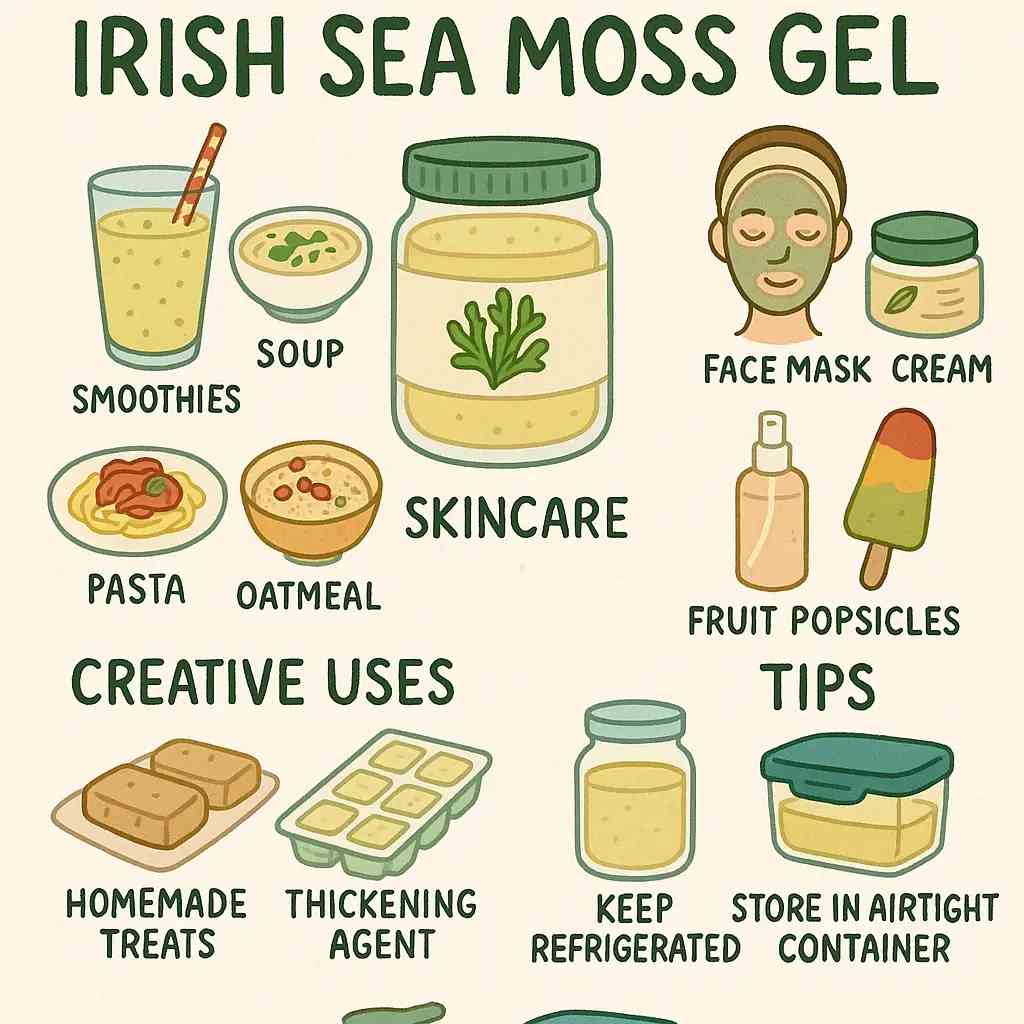
Beyond beverages and as a thickening agent, sea moss gel can be directly incorporated into various meals:
The key to successful incorporation is thorough mixing to ensure the gel is evenly distributed throughout the food. When well-integrated, sea moss gel adds nutritional value without significantly altering taste or texture.
The benefits of Irish Sea Moss extend beyond internal use. Its rich mineral content and hydrating properties make it valuable for topical skincare applications as well.
Sea moss gel can be applied directly to the skin as:
For enhanced skincare benefits, sea moss gel can be combined with other natural ingredients:
Many users report improvements in skin hydration, reduced inflammation, and a healthier complexion with regular topical application of sea moss gel.
Beyond the standard applications, innovative users have found numerous creative ways to incorporate sea moss gel into their routines:
To get the most benefit from your sea moss gel, consider these practical tips:
Different individuals may need to adjust their sea moss consumption based on specific health conditions or life stages:
For those with thyroid conditions: Work closely with a healthcare provider to determine appropriate amounts, as the iodine content may affect thyroid medication needs.

While Irish Sea Moss Gel offers an impressive array of health benefits, it’s important to approach any potent natural supplement with appropriate knowledge and caution.
Understanding the potential side effects and necessary precautions ensures you can enjoy the benefits of sea moss while minimizing any risks.

Perhaps the most significant consideration when consuming Irish Sea Moss relates to its high iodine content. Iodine is essential for thyroid function, but excessive amounts can be problematic, particularly for those with existing thyroid conditions.
The thyroid gland requires iodine to produce hormones that regulate metabolism, but the relationship follows a U-shaped curve—both too little and too much iodine can cause thyroid dysfunction. Sea moss contains approximately 47 micrograms of iodine per gram, which means a typical serving of 1-2 tablespoons of gel could provide a substantial portion of the recommended daily intake.
For individuals with hyperthyroidism (overactive thyroid), the additional iodine from sea moss could potentially exacerbate the condition. Conversely, for those with hypothyroidism (underactive thyroid) who are taking medication, sea moss consumption might necessitate adjustments to their medication dosage.
Endocrinologists generally advise against taking supplemental iodine unless specifically indicated by a healthcare provider. If you have any thyroid condition, it’s crucial to consult with your healthcare provider before adding sea moss to your routine. They may recommend periodic thyroid function tests to monitor how the additional iodine affects your hormone levels.
Even for those without diagnosed thyroid conditions, it’s wise to be mindful of iodine intake. The recommended daily allowance for iodine is 150 micrograms for most adults, with slightly higher amounts recommended during pregnancy and breastfeeding.
Consuming sea moss daily for extended periods without breaks could potentially lead to iodine excess in some individuals.
Like all sea vegetables, Irish Sea Moss can absorb and concentrate minerals from the water in which it grows. While this ability to bioaccumulate minerals is what gives sea moss its nutritional value, it also means that sea moss harvested from polluted waters may contain concerning levels of heavy metals such as arsenic, mercury, lead, and cadmium.
Research has shown that the levels of heavy metals in seaweed are generally below toxic thresholds when consumed in recommended amounts. However, the concentration can vary significantly depending on the harvesting location and water quality.
Get reliable information about supplements and medicines. Learn what they do, how they support your health, and make confident choices for your wellness journey.
Get lifetime access to exclusive health video classes led by expert instructors who guide you with confidence — helping you build lasting habits.
To minimize heavy metal exposure, consider these precautions:
When first introducing Irish Sea Moss into your diet, some individuals experience mild digestive adjustments. The high fiber content and prebiotic effects can cause temporary bloating, gas, or changes in bowel movements as the gut microbiome adapts to this new food.
These effects are typically mild and transient, resolving within a few days as the body adjusts. Starting with smaller amounts – perhaps half a teaspoon daily – and gradually increasing to the full recommended dose can help minimize these initial digestive symptoms.
For those with inflammatory bowel conditions like Crohn’s disease or ulcerative colitis, the mucilaginous properties of sea moss may actually be soothing. However, during acute flares, it’s advisable to consult with a healthcare provider before introducing any new supplements.
Some research suggests that the polysaccharides in sea moss may have mild blood- thinning effects. While this property may benefit cardiovascular health in many individuals, it could potentially interact with pharmaceutical anticoagulants like warfarin (Coumadin) or increase bleeding risk during surgical procedures.
If you’re taking blood-thinning medications or have a bleeding disorder, or if you’re scheduled for surgery, discuss sea moss consumption with your healthcare provider. They may recommend temporarily discontinuing sea moss use before surgical procedures or adjusting medication dosages if necessary.
Based on the considerations above, certain individuals should either avoid sea moss entirely or use it only under close medical supervision:
Those with uncontrolled hyperthyroidism or Graves’ disease Individuals with known iodine sensitivity or allergy People taking certain medications that may interact with sea moss, including blood thinners and some thyroid medications Those with certain seaweed or seafood allergies Individuals preparing for surgery (should discontinue use at least two weeks prior) People with certain rare conditions that require restricted iodine intake.
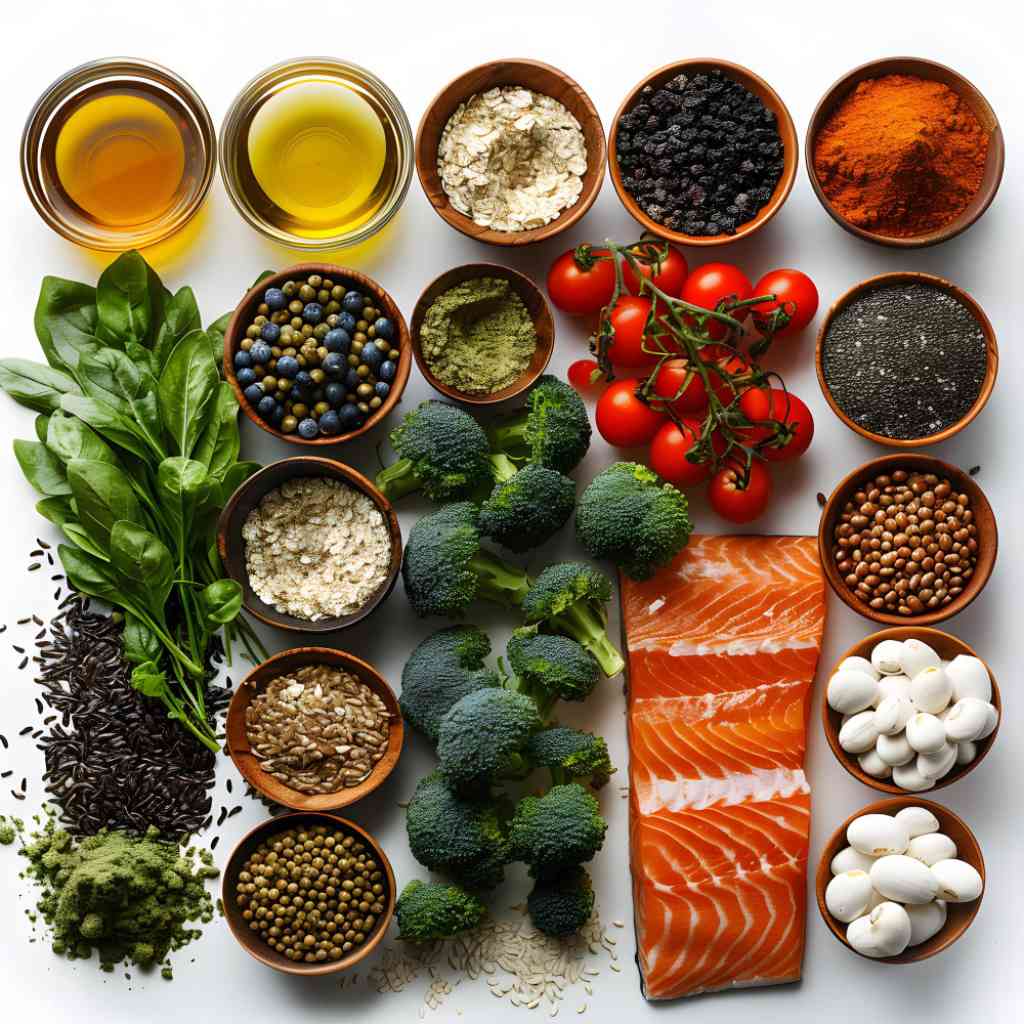
In the ever-expanding universe of superfoods, Irish Sea Moss has emerged as a standout contender. But how does it compare to other celebrated nutritional powerhouses?
Understanding these comparisons can help you make informed decisions about which superfoods deserve a place in your wellness routine and whether sea moss truly lives up to its reputation as a must-have supplement.
When it comes to mineral diversity, few foods can rival Irish Sea Moss. With its claimed 92 minerals, sea moss offers a broader spectrum of trace elements than virtually any other single food source. Let’s see how it compares to other mineral-rich foods:
What makes sea moss particularly valuable is not just the presence of these minerals but their natural ratios and bioavailable forms. The minerals in sea moss exist in organic compounds that the body can recognize and utilize efficiently, unlike some isolated mineral supplements that may compete for absorption or create imbalances.
Rather than declaring any single superfood “superior,” it’s more accurate to recognize that each offers unique benefits that may be particularly valuable for specific health goals or individual needs.
Sea moss stands out for its exceptional mineral diversity, making it particularly valuable for addressing the widespread mineral deficiencies common in modern diets. Its support for thyroid health, immune function, and digestive wellness, combined with its culinary versatility, gives it a prominent place in the superfood hierarchy.
The ideal approach for most people is to incorporate a variety of superfoods that complement each other, with sea moss serving as a foundation for mineral support alongside other targeted superfoods based on individual health goals.
What truly makes Irish Sea Moss a “must-have” is not that it’s superior to all other superfoods, but that it fills a critical nutritional gap—comprehensive mineral nutrition— that few other single foods can address as effectively. In a world where mineral depletion in soils and processed foods has created widespread deficiencies, sea moss offers a natural, bioavailable solution that deserves serious consideration in any comprehensive wellness approach.

In a world where nutritional supplements often promise singular benefits or isolated nutrients, Irish Sea Moss Gel stands apart as nature’s comprehensive mineral treasury.
This remarkable sea vegetable, transformed into a versatile gel, offers something increasingly rare in our modern food landscape—a whole-food source of nearly all the minerals our bodies need to thrive.
The claim that Irish Sea Moss contains 92 of the 102 minerals required by the human body deserves the attention it has received. While scientific verification of the exact number may vary depending on harvesting location and testing methods, what remains undisputed is sea moss’s exceptional mineral diversity. From the calcium that builds our bones to the iodine that regulates our metabolism, from the potassium that supports heart function to the zinc that bolsters our immune system—sea moss delivers these essential elements in their natural, bioavailable forms.
This mineral wealth translates into a remarkable range of health benefits that touch virtually every system in the body. The thyroid support from natural iodine helps maintain energy and metabolic balance. The prebiotic effects nurture a healthy gut microbiome, enhancing both digestive function and immune resilience. The anti- inflammatory compounds ease joint discomfort and support recovery. The collagen- supporting nutrients promote radiant skin, strong nails, and healthy hair. The cardiovascular benefits help maintain heart health and circulation. Together, these effects create a foundation for overall wellness that few other single foods can match.
What makes Irish Sea Moss Gel particularly valuable in today’s world is its ability to address a critical nutritional gap. Modern agricultural practices have progressively depleted soil mineral content, resulting in fruits and vegetables that contain fewer minerals than they did decades ago. Processed foods, chronic stress, certain medications, and environmental toxins further deplete the body’s mineral reserves. Sea moss offers a solution to this modern nutritional challenge—a return to the mineral-rich nutrition that our bodies evolved to expect.
The versatility of sea moss gel makes it accessible to virtually anyone. Whether blended into morning smoothies, stirred into coffee, added to soups and sauces, or applied topically as part of a skincare routine, sea moss integrates seamlessly into daily life. Its relatively neutral taste and remarkable thickening properties make it both palatable and functional, eliminating the common barriers that prevent consistent use of other supplements.
Of course, sea moss is not without considerations. Its high iodine content means those with thyroid conditions should consult healthcare providers before use. Quality sourcing remains essential to avoid potential contaminants. And as with any potent natural supplement, appropriate dosage and occasional breaks may be advisable for optimal results. These considerations, however, reflect sea moss’s potency rather than limitations—a reminder that we’re working with a genuinely powerful food.
The story of Irish Sea Moss is also a reminder of ancient wisdom rediscovered. Long before laboratory analysis could identify its 92 minerals, traditional cultures recognized its value. From Irish coastal communities who turned to it during the potato famine to Caribbean populations who incorporated it into traditional remedies, sea moss has a rich history of supporting human health during challenging times. Today’s renewed interest isn’t a trend but a homecoming—a return to nutritional wisdom that modern science now validates.
As we navigate an increasingly complex nutritional landscape, with conflicting information and endless new products vying for attention, Irish Sea Moss Gel offers something refreshingly straightforward—whole-food nutrition with a remarkable concentration of the minerals our bodies need. Its rise in popularity reflects not clever marketing but genuine results, as more people experience its benefits firsthand.
For those seeking to optimize their health through thoughtful nutritional choices, Irish Sea Moss Gel deserves serious consideration. Whether you’re addressing specific health concerns, supporting athletic performance, enhancing beauty from within, or simply ensuring your body receives the full spectrum of minerals it needs to function optimally, this humble sea vegetable offers profound support.
The 92 essential minerals in Irish Sea Moss Gel represent more than an impressive number—they embody nature’s wisdom in providing comprehensive nutrition through whole foods. In a single jar of this unassuming gel lies a nutritional treasure that has supported human health for centuries and continues to offer its benefits to those wise enough to incorporate it into modern wellness routines.
As you consider adding Irish Sea Moss Gel to your daily regimen, remember that consistency yields the best results. Like many natural supplements, its benefits build over time as mineral stores are replenished and systems return to optimal function. With proper sourcing, appropriate use, and realistic expectations, Irish Sea Moss Gel can be more than just another supplement—it can be a cornerstone of your journey toward comprehensive wellness, one mineral-rich spoonful at a time.

Vanessa Hannis is a dedicated health and wellness writer with a passion for translating complex medical information into clear, actionable, and empowering content. With a background in nutritional sciences, public health and biology, she brings a rigorous, evidence-based approach to her work. Vanessa believes that reliable health information is a cornerstone of well-being and is committed to creating articles that are not only accurate and thoroughly researched but also engaging and accessible. Her writing covers a wide spectrum of topics, including holistic nutrition, preventive care, mental health awareness, and navigating the latest wellness trends. When she's not at her desk, you can find her experimenting with healthy recipes, hiking with her dog, or curled up with the latest medical journals.
This site uses Akismet to reduce spam. Learn how your comment data is processed.


 Vanessa Hannis


Leave a comment