Protein is a critical component of a balanced diet, playing a vital role in muscle maintenance, recovery, and overall health. When it comes to supplementing protein intake, both plant-based and whey proteins are popular choices, but they come with distinct features. This article explores the differences in digestibility, cost, taste, and nutritional profiles between plant and whey proteins, helping you make an informed decision that suits your lifestyle and dietary preferences.
Digestibility Comparison
Digestibility is a key factor to consider when choosing between plant protein and whey protein supplements. Each type of protein has unique characteristics that affect how well your body can utilize them.
Whey Protein Digestibility
Whey protein is derived from milk and is known for its high digestibility rate due to its complete amino acid profile. It is rapidly absorbed by the body, making it an excellent choice for post-workout nutrition when quick recovery is necessary.
Plant Protein Digestibility
Plant protein sources, such as peas, rice, and hemp, are typically less digestible due to the presence of anti-nutritional factors like phytic acid. However, advances in production techniques have significantly improved their digestibility. Combining different plant proteins can also provide a more complete amino acid profile.
Fuel Your Body the Right Way
Not sure whether plant or whey protein fits your lifestyle? Explore our curated range and find the perfect match for your goals.
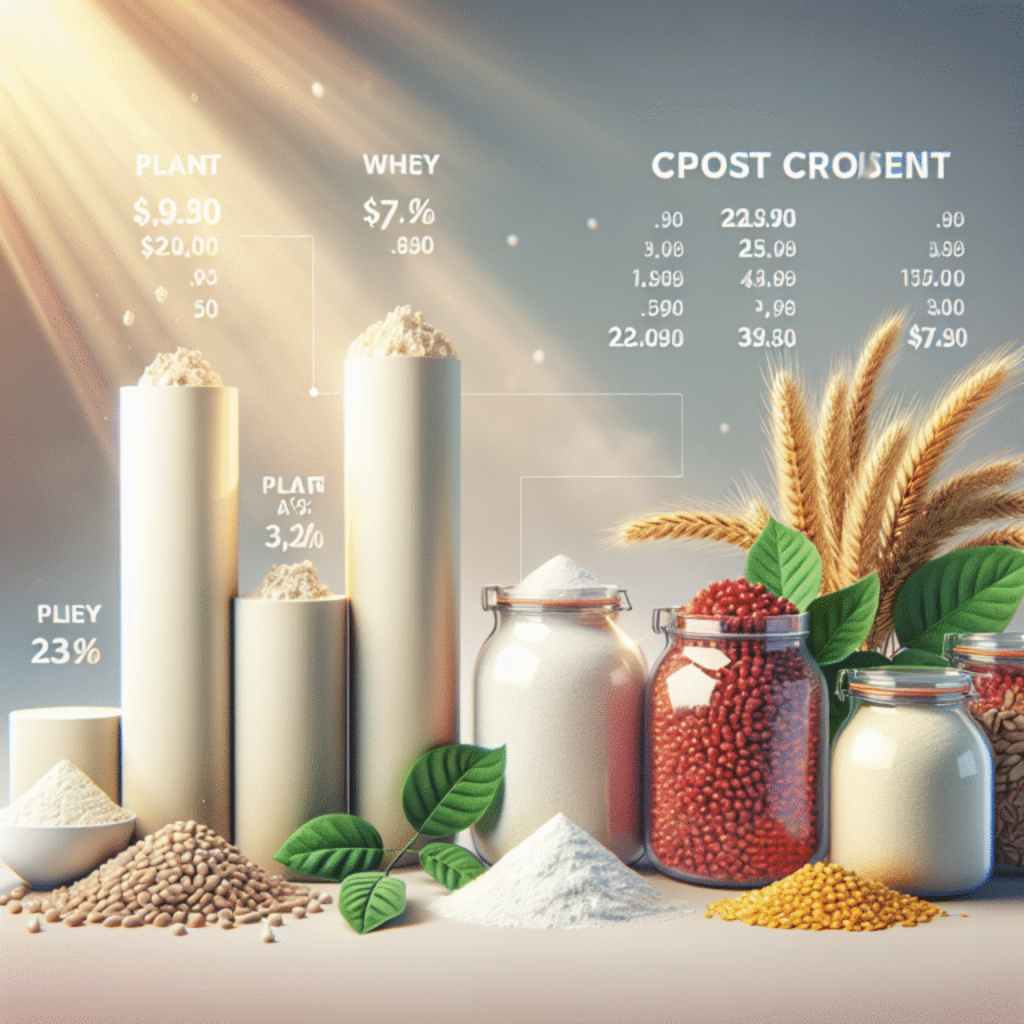
The cost of protein supplements varies widely depending on the type, quality, and brand. It’s essential to weigh the price against the nutritional benefits offered.
Whey Protein Costs
Whey protein is generally cheaper to produce, contributing to its lower market price compared to many plant-based alternatives. Its prevalence and established production processes make it more economically accessible for larger populations.
Plant Protein Costs
Despite technical advancements, plant proteins can be more expensive due to complex extraction processes and the need for combining various sources to achieve complete amino acid profiles. This cost is often reflected in the higher market price, though it can be a worthwhile investment for those with dietary restrictions.
Taste and Texture Comparisons
Taste and texture can greatly influence the acceptability of a protein supplement. Preferences can be subjective but are worth considering when selecting the right supplement.
Whey Protein Taste and Texture
Whey protein is known for its smooth texture and variety of flavors that make it palatable in shakes and recipes. It tends to mix well with liquids, providing a creamy consistency without grittiness.
Plant Protein Taste and Texture
Some plant proteins, particularly those derived from peas or brown rice, can have a grainy texture and a more earthy taste. However, flavor technologies are evolving, resulting in more pleasant-tasting plant-based protein products.
Nutritional Considerations
Nutritional content is a major factor distinguishing plant and whey proteins. Both have unique nutritional benefits and limitations.
Whey Protein Nutrition
Whey protein contains all nine essential amino acids, particularly leucine, which is critical for muscle protein synthesis. It is also rich in branched-chain amino acids (BCAAs) beneficial for muscle recovery and growth.
Plant Protein Nutrition
Plant proteins may lack one or more essential amino acids individually but can be paired to form a complete protein. They are also high in fiber and other micronutrients like iron and magnesium, offering additional health benefits.
Environmental Impact
Environmental sustainability has become a critical consideration in dietary choices, including protein supplementation. Understanding the impact of each protein source can influence your decision.
Environmental Impact of Whey Protein
As an animal-derived product, whey protein is associated with higher greenhouse gas emissions, land use, and water consumption. However, initiatives are underway to improve livestock management and reduce these impacts.
Environmental Impact of Plant Protein
Plant proteins generally have a lower environmental footprint. Producing plant-based protein involves fewer resources and emits less carbon dioxide, making it a more sustainable choice for environmentally conscious consumers.
Conclusion
Choosing between plant and whey protein depends on individual priorities regarding digestibility, cost, taste, nutritional needs, and environmental impact. Each has its own set of benefits and challenges.
Key Takeaways
When selecting a protein supplement, weigh factors such as ease of digestion, cost-effectiveness, taste preferences, and ecosystem impact. Plant proteins offer sustainability and dietary diversity, while whey provides rapid absorption and a complete amino acid profile. The best choice aligns with your personal values and health objectives.
Vanessa Hannis is a dedicated health and wellness writer with a passion for translating complex medical information into clear, actionable, and empowering content. With a background in nutritional sciences, public health and biology, she brings a rigorous, evidence-based approach to her work. Vanessa believes that reliable health information is a cornerstone of well-being and is committed to creating articles that are not only accurate and thoroughly researched but also engaging and accessible. Her writing covers a wide spectrum of topics, including holistic nutrition, preventive care, mental health awareness, and navigating the latest wellness trends. When she's not at her desk, you can find her experimenting with healthy recipes, hiking with her dog, or curled up with the latest medical journals.







 Vanessa Hannis





Leave a comment