Our eyes are one of our most vital senses, allowing us to experience the world in all its visual glory. Maintaining optimal eye health is crucial as we age, and nutrition plays a significant role in protecting our vision. A well-balanced diet rich in eye-friendly nutrients can help ward off age-related vision problems and maintain correct functioning of the eyes. This article explores the nutrients lutein and zeaxanthin, highlighting their importance and dietary sources.
The Role of Lutein and Zeaxanthin
Lutein and zeaxanthin are carotenoids found in high concentrations within the macula of the human eye. These yellow pigments play a vital role in protecting the eyes from harmful blue light and oxidative stress. Both nutrients function as antioxidants, helping to neutralize free radicals and reduce the risk of chronic eye diseases such as age-related macular degeneration (AMD) and cataracts.
Understanding Carotenoids
Carotenoids are a group of over 600 naturally occurring pigments synthesized by plants, algae, and some bacteria and fungi. They are responsible for the red, yellow, and orange colors observed in many fruits and vegetables. In human nutrition, lutein and zeaxanthin are among the most studied carotenoids, particularly for their protective effects on eye health.
Benefits of Lutein and Zeaxanthin for Eye Health
Numerous studies have underscored the potential benefits of lutein and zeaxanthin in preventing and managing eye-related conditions. These nutrients are known to improve visual performance, reduce glare sensitivity, and enhance contrast sensitivity, thus offering substantial benefits in various environmental settings.
Nutrition That Fits Your Lifestyle
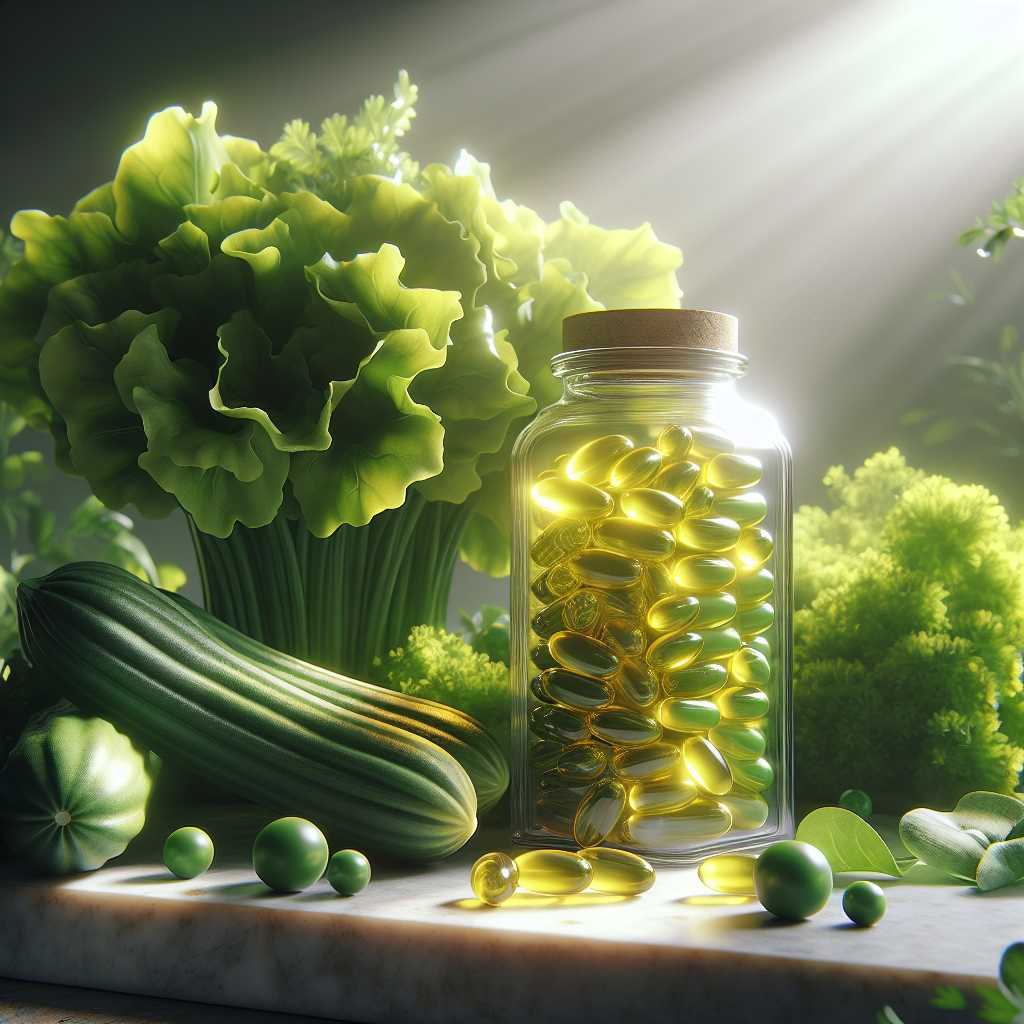
Busy schedule? Get lutein & zeaxanthin in one convenient daily supplement to support vision health without extra effort.
Age-related macular degeneration (AMD) is one of the leading causes of vision loss in individuals over 50. Research suggests that higher dietary intake of lutein and zeaxanthin is associated with a reduced risk of developing AMD. These carotenoids help filter harmful high-energy blue wavelengths of light, preventing damage to the sensitive cells in the retina.
Protection Against Cataracts
Cataracts, characterized by the clouding of the eye’s lens, are a prevalent cause of blindness worldwide. The antioxidant properties of lutein and zeaxanthin can reduce oxidative damage and may lower the risk of cataract formation. They help maintain lens clarity by protecting against protein oxidation in the lens.
Top Food Sources Rich in Lutein and Zeaxanthin
A wide range of foods, particularly green leafy vegetables, are excellent sources of these beneficial carotenoids. Consuming an array of these foods can ensure adequate intake to support eye health.
Green Leafy Vegetables
Spinach, kale, and collard greens are among the best-known sources of lutein and zeaxanthin. These vegetables are packed with nutrients, offering a significant dose of these carotenoids per serving.
Colorful Fruits and Vegetables
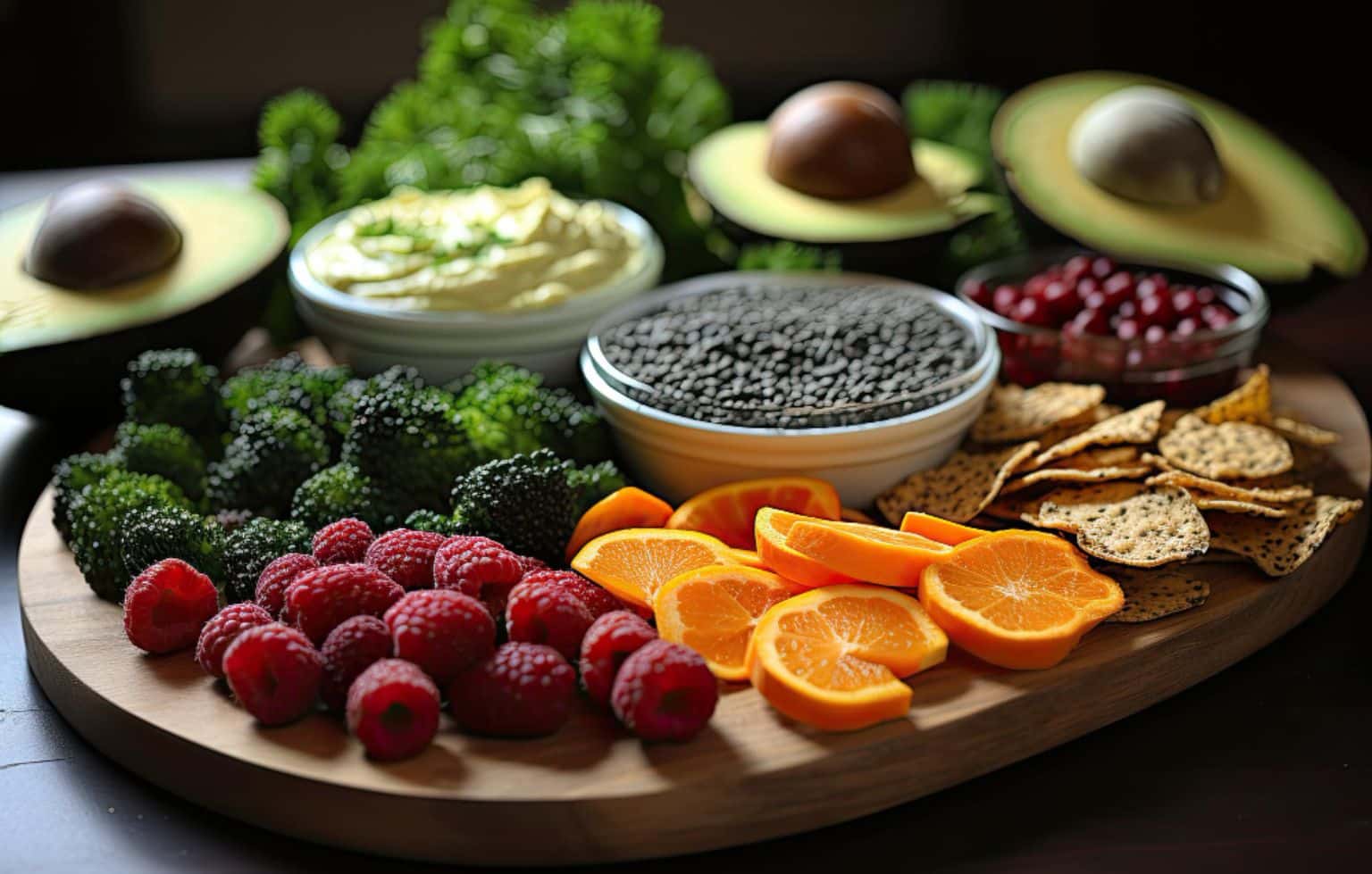
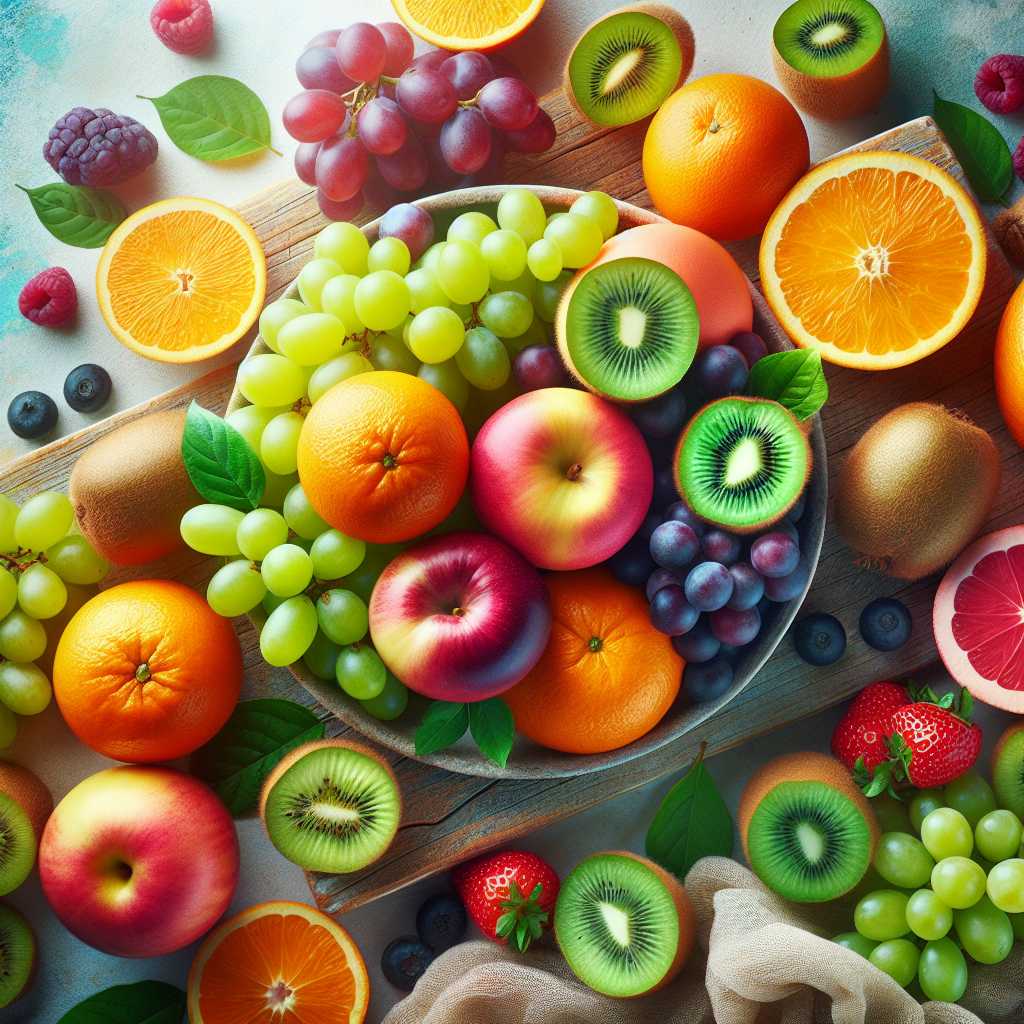
Aside from greens, other vegetables like peas, broccoli, and corn are also rich in these nutrients. Additionally, fruits such as kiwi, grapes, and oranges provide a substantial amount of lutein and zeaxanthin, enhancing the diet’s variety and nutritional value.
How to Integrate these Nutrients into Your Diet
Incorporating lutein and zeaxanthin into your diet requires a conscious effort to include rich sources of these carotenoids in meals and snacks. Understanding how to select and prepare these foods can significantly boost their intake efforts.
Meal Planning and Preparation Tips
Start with a daily smoothie that includes spinach or kale alongside fruits for a lutein and zeaxanthin boost. Salads with a variety of vegetables, steamed broccoli as a side dish, or a vegetable soup can also increase your daily intake.
Supplements as an Option
For those struggling to meet their nutritional needs through diet alone, supplements containing lutein and zeaxanthin are available. It is advisable to discuss supplementation with a healthcare provider to ensure appropriate dosing and avoid possible interactions with other medications.
Potential Risks and Considerations
Support Your Eyes Daily
Lutein & Zeaxanthin supplements help protect against eye strain and blue light.
While lutein and zeaxanthin are safe for most people when consumed in amounts found in foods, excessive supplementation might not be recommended due to insufficient evidence on long-term safety. Always consider obtaining these nutrients primarily through dietary sources.
Interaction with Medications
Although rare, there could be potential interactions of high dose supplements with certain medications. Consulting a healthcare professional can help minimize risks and ensure safe intake levels.
Considerations for Vegetarians and Vegans
Given that many rich sources of lutein and zeaxanthin are plant-based, vegetarians and vegans can meet their eye health nutritional needs with proper diet planning. Emphasis on diverse vegetables and fruits ensures adequate intake without animal products.
Conclusion & Key Takeaways
Lutein and zeaxanthin are crucial nutrients offering eye-protective benefits, playing significant roles in reducing the risk of AMD and cataracts. A diet rich in green leafy vegetables, colorful fruits, and appropriate supplements can help maintain optimal eye health. It is important to focus on wholesome, balanced dietary sources while considering professional advice when using supplements. Consistent intake can provide significant benefits in preserving vision and enhancing quality of life.
Remember, the journey to better eye health begins on your plate. Prioritize nutritional wellness today for a clearer tomorrow.
Hi 👋 I'm Kenan, a mental health advocate and nutrition geek on a mission to untangle the messy, beautiful relationship between our plates and our peace of mind. My own journey with anxiety led me to discover the profound impact of nutrition on mental clarity and emotional resilience. Now, I blend personal experience with evidence-based research to create guides and stories that are both relatable and reliable. Here, we'll move beyond fad diets and quick fixes, focusing instead on building a foundation of wellness that feeds your brain and soothes your soul. Thanks for stopping by—let’s explore this path to a calmer, healthier you, together.




 Kenan Fang
 Vanessa Hannis


 Sally James



Leave a comment