In today’s fast-paced world, finding time to hit the gym can be a challenge. Fortunately, you can achieve great results with strength training at home, no equipment needed. This method of working out is growing in popularity due to its convenience and accessibility. Performing exercises without equipment not only saves time and money but also allows you to work out anytime, anywhere. Moreover, bodyweight exercises are highly effective for enhancing overall strength, endurance, and flexibility. Let’s dive into the world of at-home workouts and explore some powerful strength circuits that you can easily incorporate into your routine.
Benefits of No-Equipment Workouts
No-equipment workouts offer several health benefits, making them an excellent addition to any fitness regimen. These exercises improve muscular strength as they require you to move and stabilize your body weight. Unlike traditional weightlifting, which often isolates specific muscles, full-body movements like push-ups and squats engage multiple muscle groups, leading to enhanced functional strength.
Flexibility improves through no-equipment workouts by incorporating a range of motion exercises, allowing for increased joint mobility. Lastly, bodyweight workouts can boost cardiovascular health. Exercises such as burpees and mountain climbers elevate your heart rate, providing an effective cardio workout without the need for machines.
Start Your Fitness Journey Today
Pair your at-home workouts with the right nutrition. From protein powders to recovery supplements, we’ve got everything to fuel your strength and speed up recovery.
This 20-minute workout is designed to target major muscle groups through a series of simple yet effective bodyweight exercises. Perform each circuit consecutively with minimal rest in between exercises. Adjust the intensity by altering rep counts and rest times, catering to both beginners and advanced individuals.
Circuit 1: Upper Body Focus
Target your upper body strength with this circuit. Perform each exercise for 40 seconds, followed by a 20-second rest:
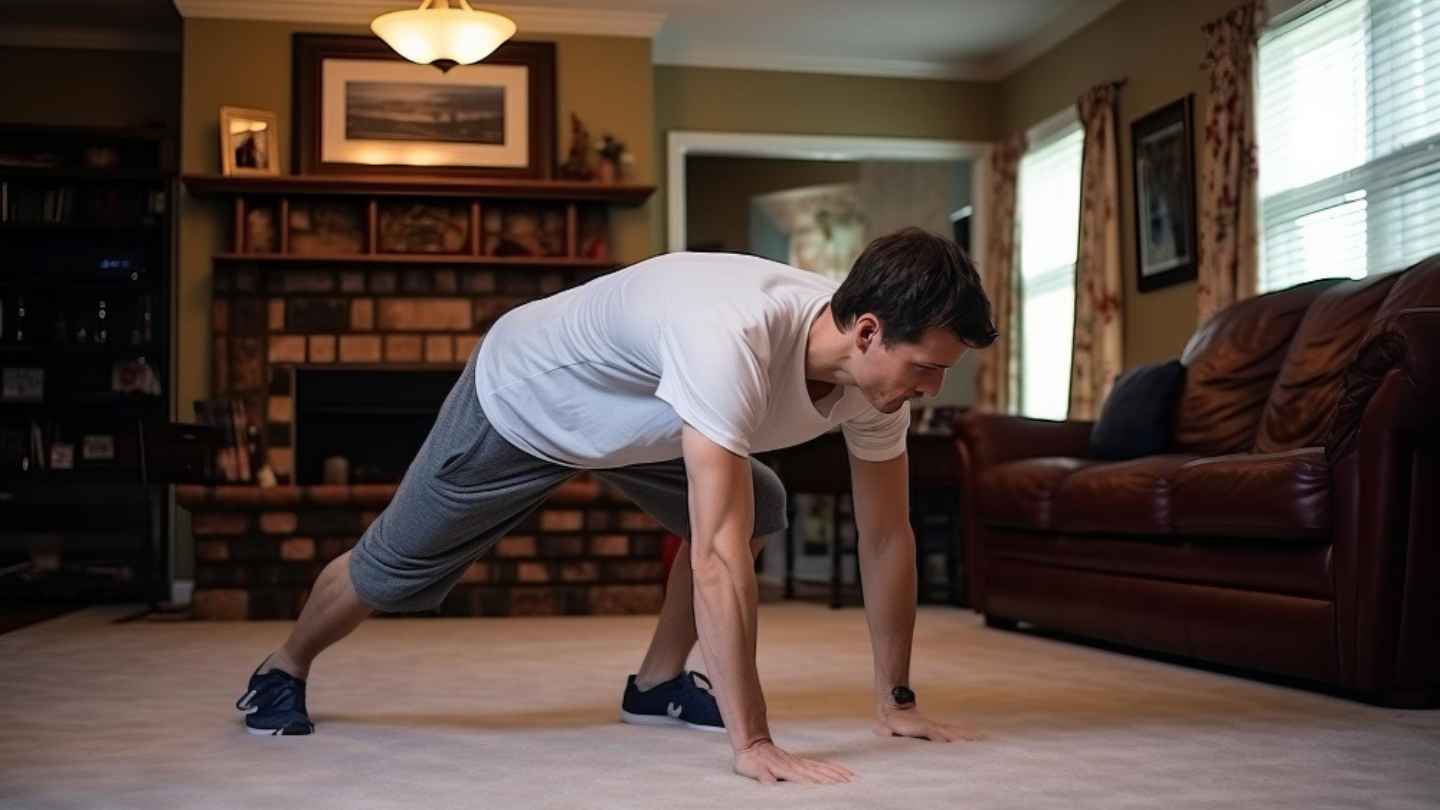
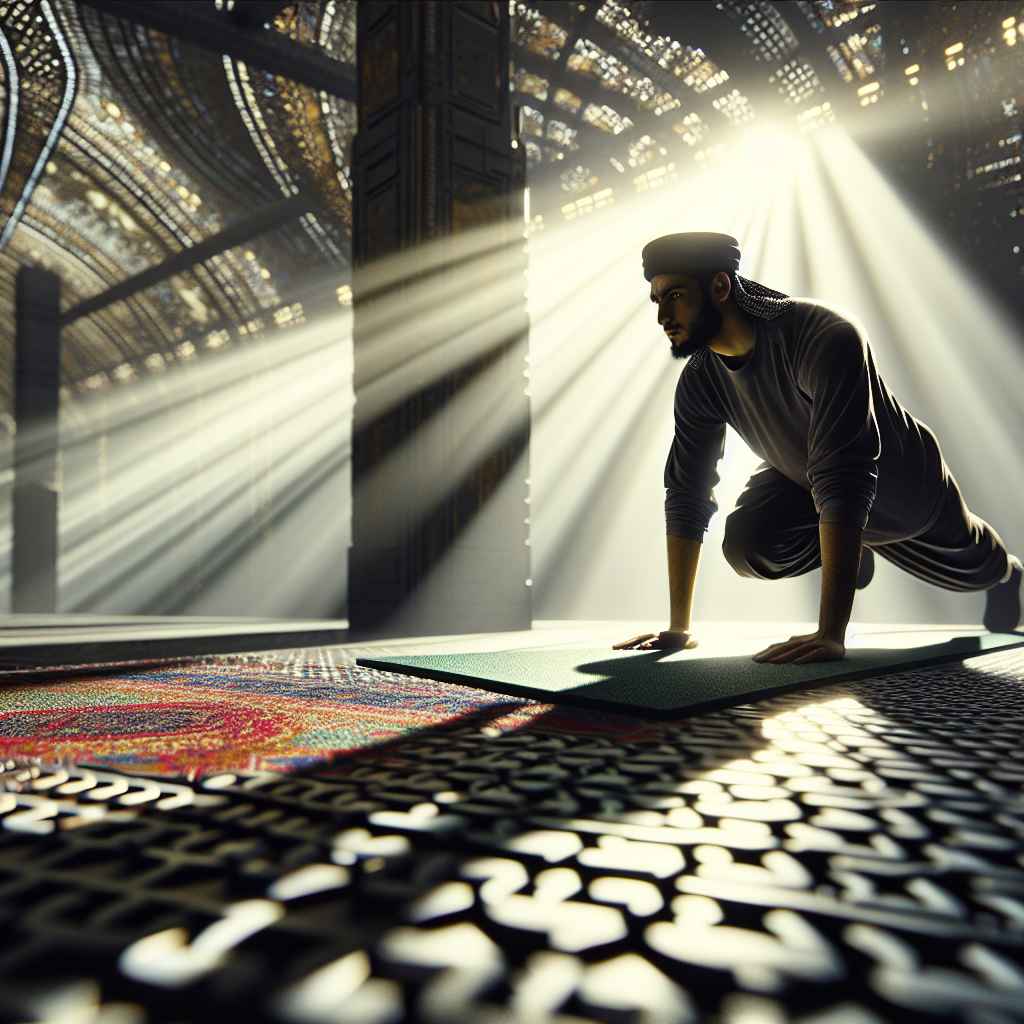
Push-ups: Start in a plank position with hands shoulder-width apart. Lower your body until your chest almost touches the floor, then push back up. For beginners, modify by resting knees on the ground.
Tricep Dips: Sit on the floor with knees bent, feet together. Place your hands beside your hips, fingers facing forward. Lift your hips off the floor, bend your elbows to lower your body, then push back up.
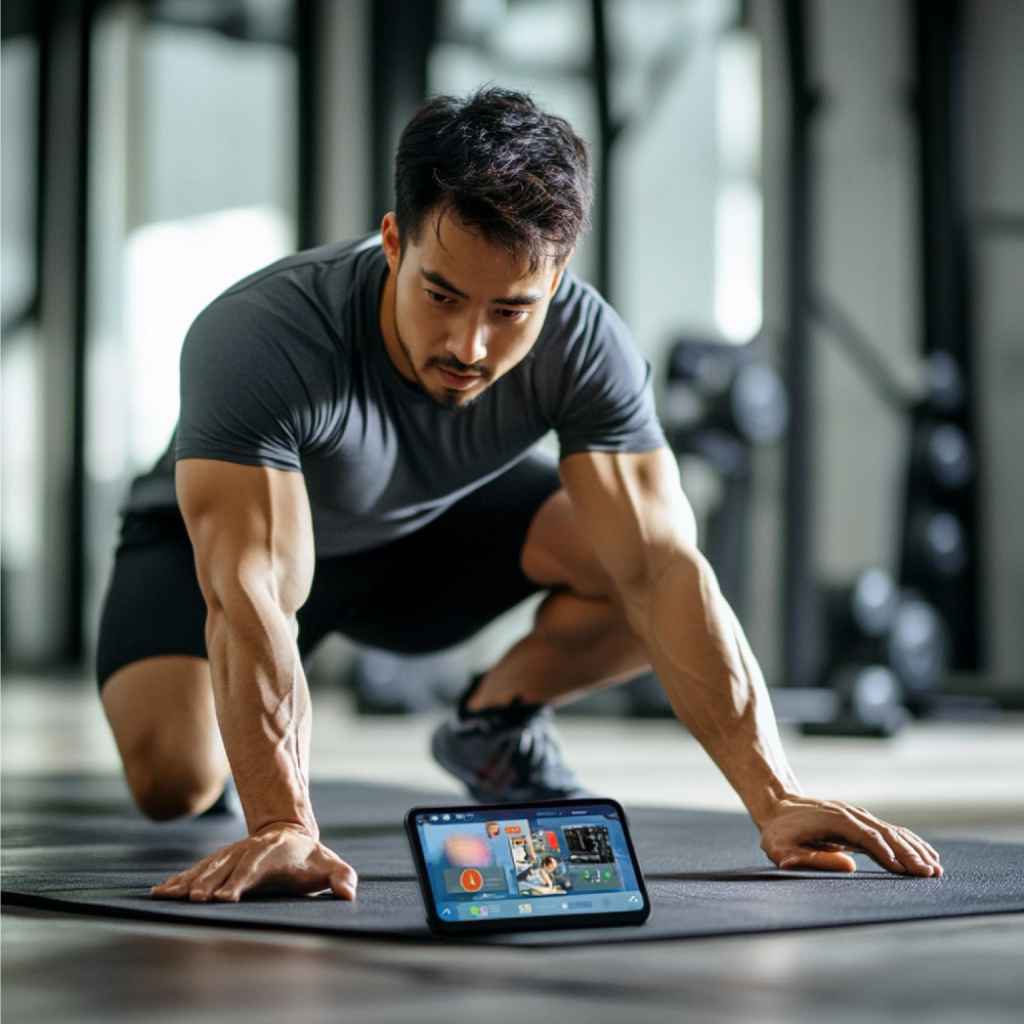
Plank Shoulder Taps: In a plank position, alternate tapping one shoulder with the opposite hand, maintaining a stable core. Person doing a plank shoulder tap.
Circuit 2: Lower Body Focus
Strengthen your lower body with these exercises. Perform each for 40 seconds with a 20-second rest in between:
Squats: Stand with feet shoulder-width apart, bend knees and lower into a squat, then return to standing. Keep your weight through the heels.
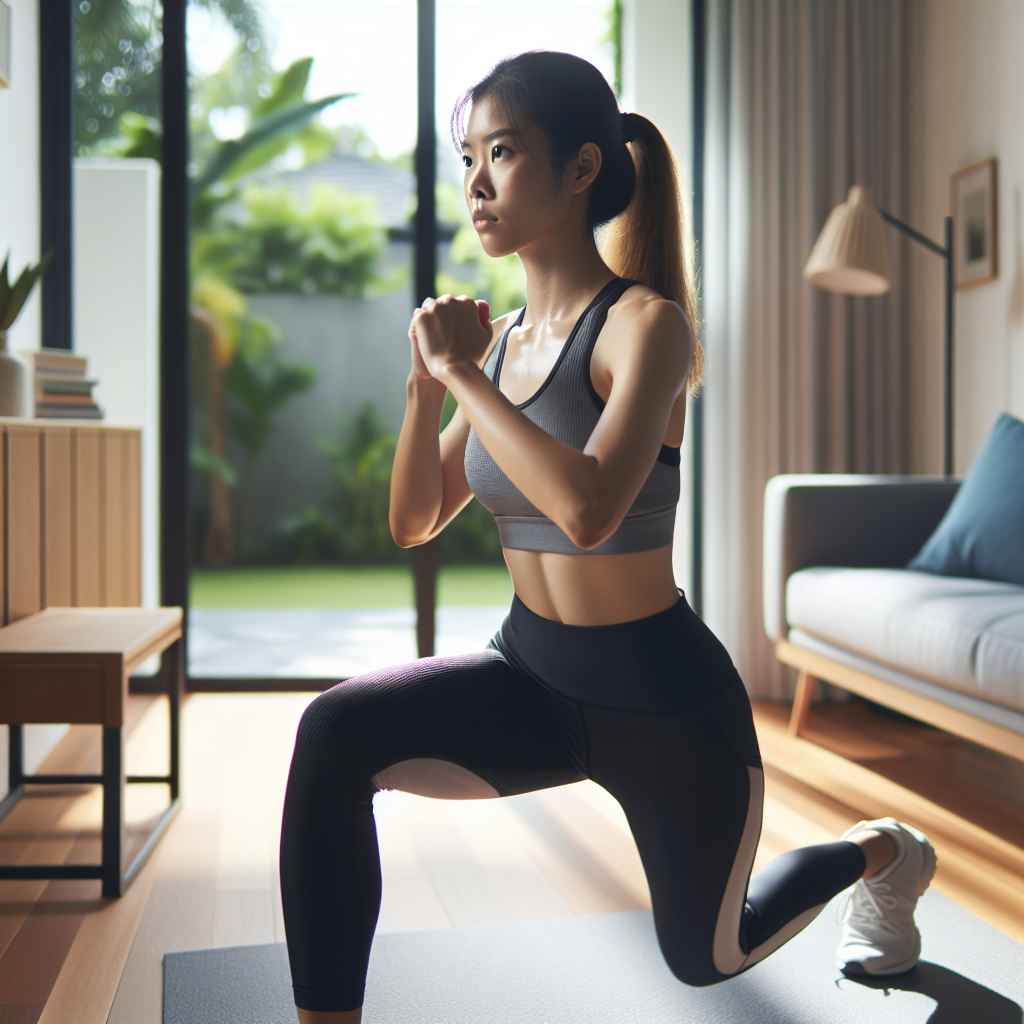
Reverse Lunges: Step backward with one foot, lower hips until both knees are bent at 90-degree angles. Alternate legs.
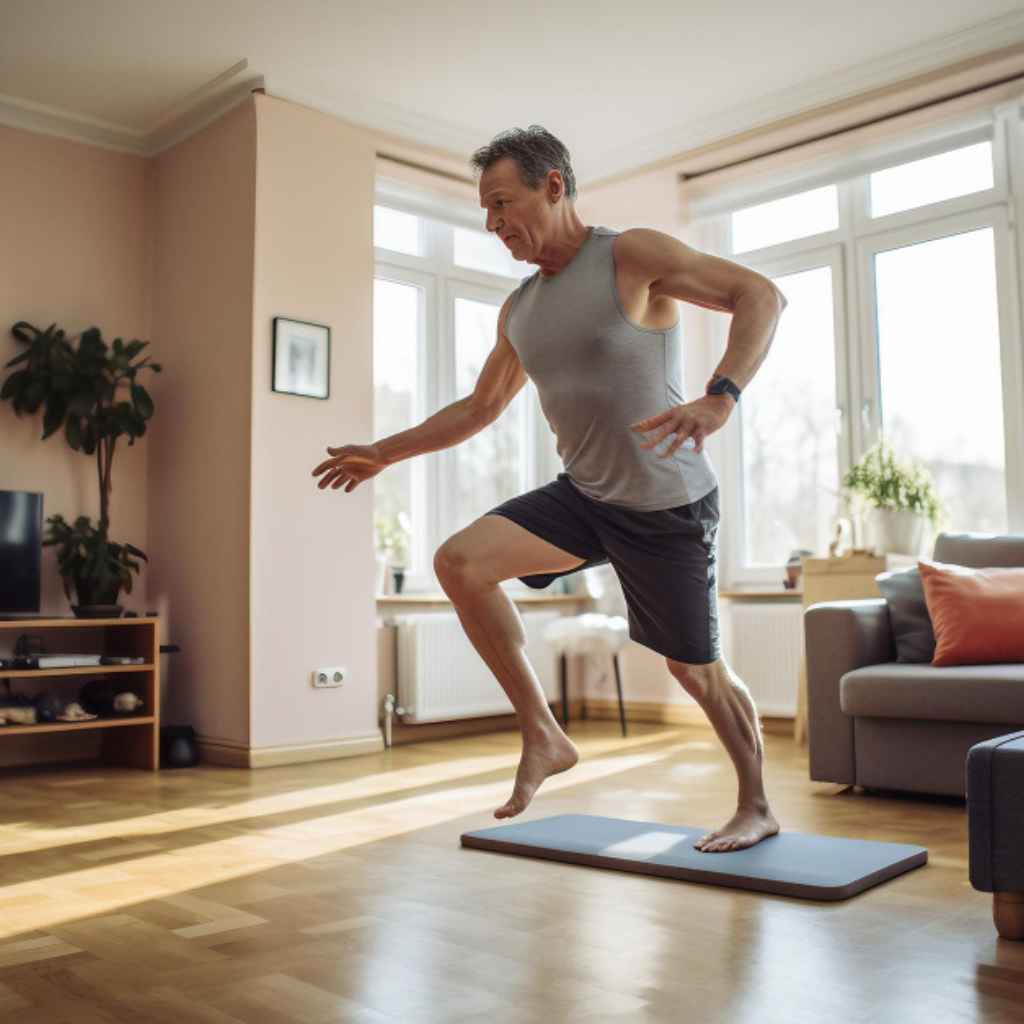
Calf Raises: Stand upright, raise onto your toes and lower back down for a great calf workout.
Circuit 3: Core Focus
Challenge your core with this dynamic circuit. Execute each move for 40 seconds with a 20-second rest in between:
Bicycle Crunches: Lie on your back, bring knees to a tabletop position. Alternate touching elbows to opposite knees in a pedaling motion.
Leg Raises: Lie flat, raise legs towards the ceiling, and lower them slowly without touching the floor.
Russian Twists: Sit with knees bent, lean back slightly and twist your torso side to side, touching the floor with your hands.
Safety Tips and Common Mistakes
While bodyweight exercises are generally safe, it’s crucial to ensure proper form to avoid injuries. Always warm up before starting your workout. Focus on maintaining a neutral spine, especially during exercises like squats and planks. Engaging your core is essential to prevent lower back strain. Avoid common mistakes such as letting your knees go beyond your toes in lunges, locking elbows in push-ups, and arching your back during plank variations.
Repetition without adequate rest can lead to form lapses. Listen to your body and take breaks when needed to prevent fatigue-related injuries.
Optimizing Your Circuit
Maximize your results by focusing on form over speed. Gradually increase the difficulty by extending your workout duration or incorporating plyometric movements like jump squats for added intensity. Time your circuits with a standard rest period of 20 seconds between exercises to maintain a high heart rate and promote endurance, but adjust according to your fitness level.
Progress tracking can be motivating, whether enhancing reps or timing. Keep a workout journal or use a fitness app to note improvements.
Conclusion
Incorporating these 20-minute strength circuits into your daily routine brings convenience and results. The key lies in consistency, challenging yourself progressively and maintaining form. These exercises are versatile, allowing modification according to your fitness level, ensuring growth and strength development over time. Embrace these at-home workouts, enjoy their flexibility, and watch your personal fitness journey unfold.
Remember, fitness is not a destination but a way of life, and making these circuits part of your routine can empower and improve your overall health.
Hi 👋 I'm Kenan, a mental health advocate and nutrition geek on a mission to untangle the messy, beautiful relationship between our plates and our peace of mind. My own journey with anxiety led me to discover the profound impact of nutrition on mental clarity and emotional resilience. Now, I blend personal experience with evidence-based research to create guides and stories that are both relatable and reliable. Here, we'll move beyond fad diets and quick fixes, focusing instead on building a foundation of wellness that feeds your brain and soothes your soul. Thanks for stopping by—let’s explore this path to a calmer, healthier you, together.





 Kenan Fang
 Vanessa Hannis


Leave a comment