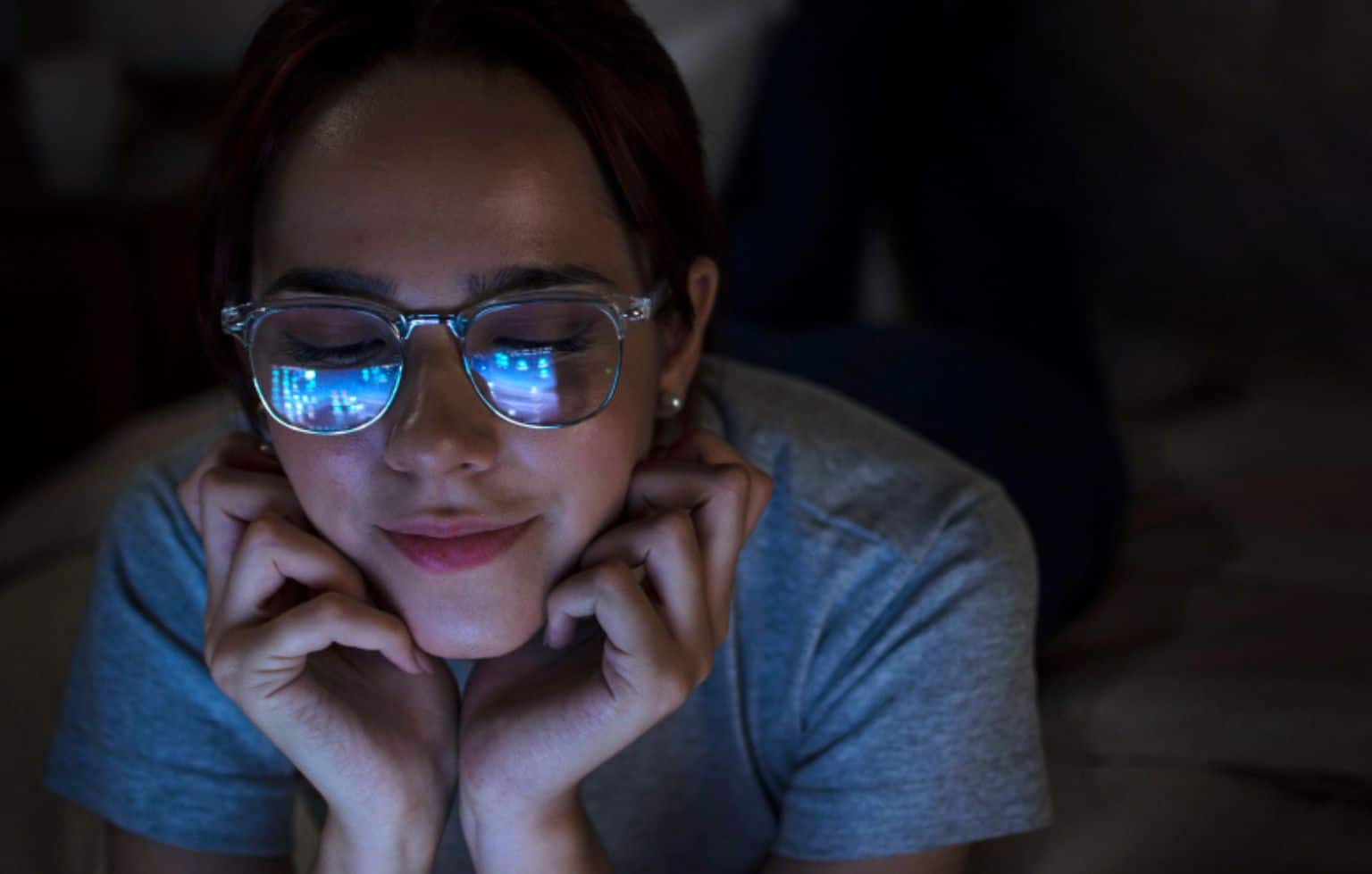
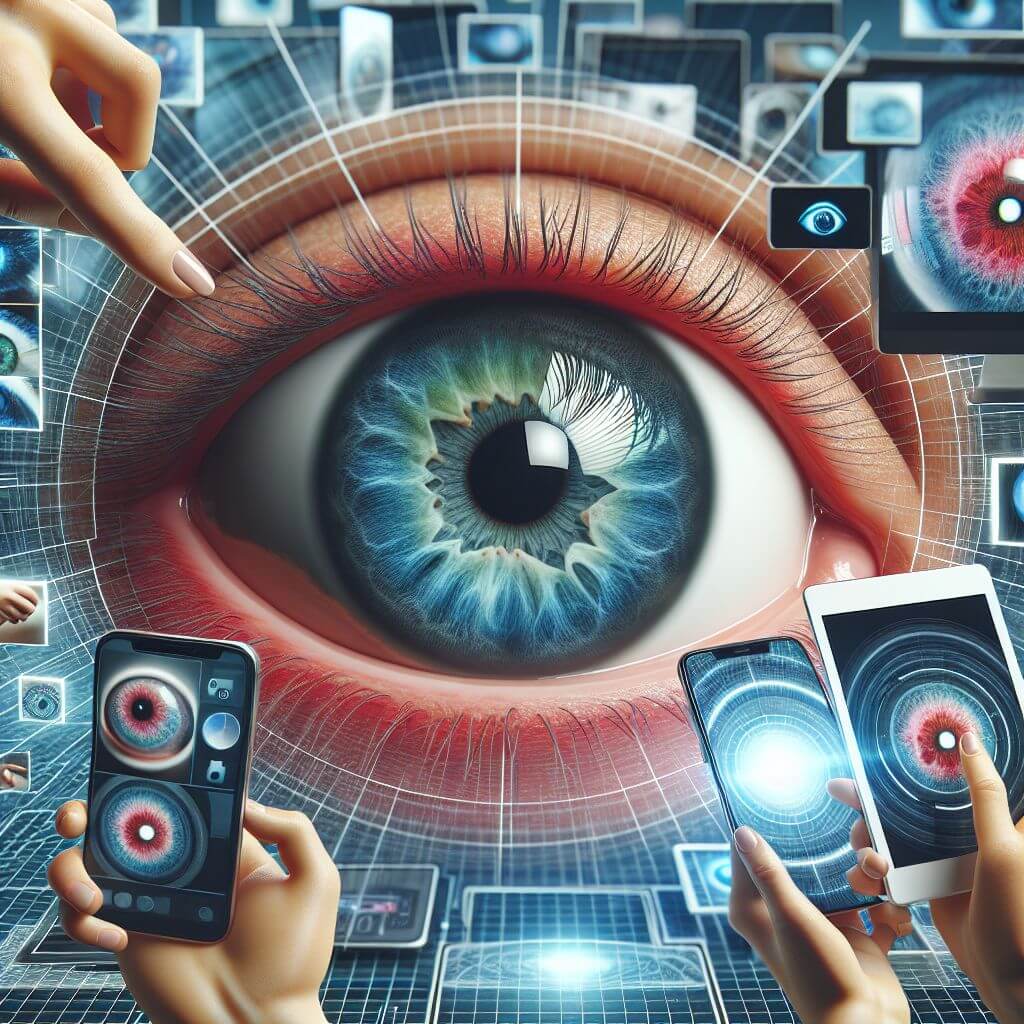
In today’s digital age, the prevalence of screen usage has raised significant concerns about eye health. With hours spent on computers, smartphones, and tablets, our eyes are exposed to substantial amounts of blue light. This exposure has been linked to digital eye strain and conditions like dry eye syndrome. Understanding the effects of blue light and how to combat these repercussions with evidence-based solutions is crucial for maintaining optimal eye health.
Understanding Blue Light
Blue light is a type of visible light with a short wavelength and high energy. It is emitted by artificial sources such as digital screens and LED lighting, but it is also present in sunlight. While exposure to natural blue light during the day helps regulate sleep cycles and boost alertness, prolonged exposure to artificial blue light can be detrimental.
Sources of Blue Light
Blue light primarily emanates from sunlight, but in today’s technology-driven world, screens of computers, tablets, and smartphones have become significant sources. Moreover, energy-efficient lighting such as LEDs and fluorescent lights also emit blue light. As these devices have become integral to professional and personal life, our exposure to blue light has significantly increased.
The Science Behind Blue Light
Blue light penetrates deeper into the eye, reaching the retina. Its high energy can cause digital eye strain and may contribute to retinal damage over time. The science focuses on the potential harm to the photoreceptors in the retinal layer. Continued research is essential in understanding the balance between necessary exposure and health risks associated with blue light.
Effects of Blue Light on Eye Health
Emerging evidence highlights that excessive exposure to blue light can negatively impact eye health. Symptoms of digital eye strain, including headaches, blurred vision, and fatigue, have become common among frequent screen users. Furthermore, blue light exposure affects visual acuity and contributes to an increase in dry eye incidence.
Digital Eye Strain
Digital eye strain, also known as computer vision syndrome, is characterized by discomfort and symptoms such as dry eyes, fatigue, and difficulty focusing. It is a consequence of prolonged screen time, where blue light plays a significant role in its development. Proper understanding and mitigation strategies can alleviate this common discomfort.
Impact on Sleep Patterns
The disruption of circadian rhythms due to blue light exposure in the evening impacts melatonin production. This hormone is crucial for regulating sleep-wake cycles. As screen time often extends into the night, exposure to blue light can lead to sleep disturbances, further exacerbating the tired eye symptoms.
The Connection Between Blue Light and Dry Eye
Dry eye syndrome is complex, involving changes to the tear film that are aggravated by environmental factors and habits. The association between blue light and dry eye lies in the reduced blinking rate during screen time. Combined with blue light’s effect on the tear film, users are left with discomfort and eye dryness.
Protect Your Eyes from Blue Light
Long hours on screens can cause eye strain and dryness. Lutein & Zeaxanthin supplements help filter blue light, ease dry eyes, and keep your vision sharp.
The blinking rate significantly diminishes when we focus on digital screens, contributing to dry eye symptoms. Blue light intensifies this effect by accelerating tear evaporation. Tear film instability results in inflammation and ocular surface damage, exacerbating discomfort for those spending prolonged periods in front of screens.
Research Insights
Recent studies indicate a direct correlation between screen time and dry eye. Researchers have confirmed that individuals exposed to blue light for extended durations show increased markers for dry eye syndrome. These findings reinforce the need for conscious efforts to manage screen time and use protective strategies.
Evidence-Based Practical Solutions
Given the ubiquitous presence of digital devices, it is imperative to adopt strategies that mitigate blue light’s impact on eye health. Several evidence-based solutions can help alleviate symptoms of digital eye strain and dry eye syndrome, fostering healthier screen habits and improving quality of life.
Utilizing Blue Light Filters and Glasses
Blue light filtering apps and screens, as well as specialized glasses, can reduce direct exposure and provide relief from eye strain. These solutions shield the eyes from high-energy blue wavelengths without entirely blocking beneficial types of light necessary for optimal visual performance and well-being.
Implementing the 20-20-20 Rule
The 20-20-20 rule proposes taking a 20-second break every 20 minutes by looking at something 20 feet away. This practice refreshes the eyes, preventing fatigue. Its simplicity and effectiveness have been supported by optometrists globally and are highly recommended for anyone who works with screens regularly.
Increasing Humidity and Using Artificial Tears
Maintaining an optimal humid environment can minimize tear evaporation caused by blue light exposure. Using artificial tears or lubricating eye drops can also alleviate dryness. Keeping eyes well-lubricated is paramount for comfort, especially in controlled environments like air-conditioned or heated rooms.
Conclusion
Understanding the implications of blue light on our eyes helps us make informed choices about minimizing exposure. By utilizing evidence-based solutions such as implementing ergonomic practices and using protective eyewear, we can safeguard against the detrimental effects, ensuring eye comfort and health. Balancing screen time with proactive measures yields significant benefits for our daily lives.
Key Takeaways
Blue light is predominantly emitted from screens and can penetrate deep into the eye, risking eye health.
Excessive blue light is linked to digital eye strain and exacerbates dry eye symptoms.
Practical solutions include using blue light filters, following the 20-20-20 rule, and ensuring proper eye lubrication.
Moderating screen exposure and adopting protective measures can significantly enhance eye comfort and health.
Sally James is a dedicated supplement specialist, cuts through the noise of the wellness industry. Her unique focus on vitamin profiling ensures that your supplement regimen is never one-size-fits-all.
Prioritising advanced testing and a deep understanding of biochemistry, Sally creates precise nutritional plans that address the root cause of imbalance. She empowers her clients with the knowledge they need to make informed decisions, helping them move from feeling overwhelmed to feeling optimised. Sally believes that the right nutrients, in the right amounts, are powerful tools for unlocking vitality and achieving lasting health.








 Kenan Fang
 Vanessa Hannis


 Sally James


Leave a comment